How Is China Able to Sell Copycat Cars? 6.9k views
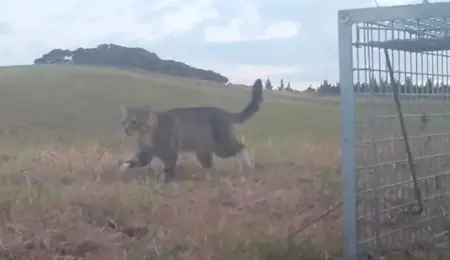
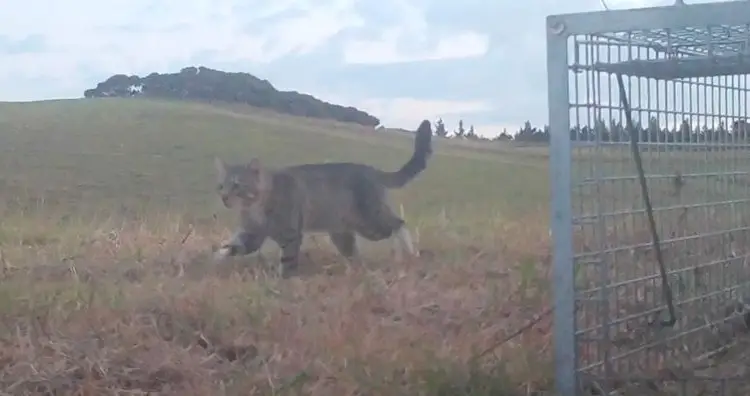
For three years, a large gray tabby cat kept appearing near some of New Zealand’s rarest ducks. Conservationists knew the cat was responsible for the loss of many pÄteke, or brown teal, but catching it proved extremely difficult. They eventually named the feral cat “Nine Lives†after it repeatedly avoided their traps.
The story began in 2023 on the Purerua Peninsula in New Zealand’s North Island. Conservationists had released 20 captive-raised pÄteke into the wild as part of an effort to rebuild the local population.
Within a week, the team found the first deceased duck.
They installed wildlife cameras to find out what was happening. The cameras soon recorded a large gray tabby with distinctive markings. The same cat appeared around the areas where the ducks were disappearing.
The team began setting traps, but Nine Lives didn’t make it easy.
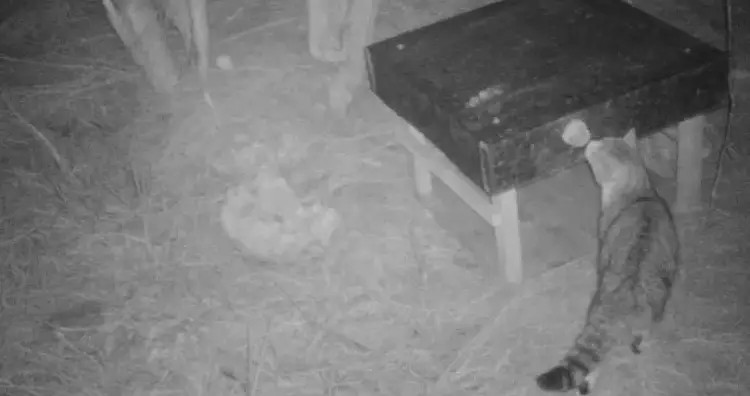
Over the next year, conservationists caught several other feral cats in the area. Nine Lives, however, kept avoiding them.
The team released another 20 pÄteke in 2024. Once again, the same cat appeared. Fifteen of those birds were lost.
Nine Lives was particularly difficult to track because it had no clear routine. It could appear during the day, at dusk, around midnight, or in the early morning. Then it might disappear for two or three months.
The conservation team came close to catching it several times, but the cat kept getting away.
The breakthrough came in late July 2026. Conservationists noticed that Nine Lives had appeared at the same quarry for three nights in a row.
That repeated appearance was unusual. The team quickly placed cages and traps in the area and used several types of food as bait, including salmon, fried chicken, and rabbit.
On July 30, a camera sent an alert showing that a cat had entered one of the cages.
The trappers arrived and confirmed that they had finally caught Nine Lives. The cat was then humanely shot.
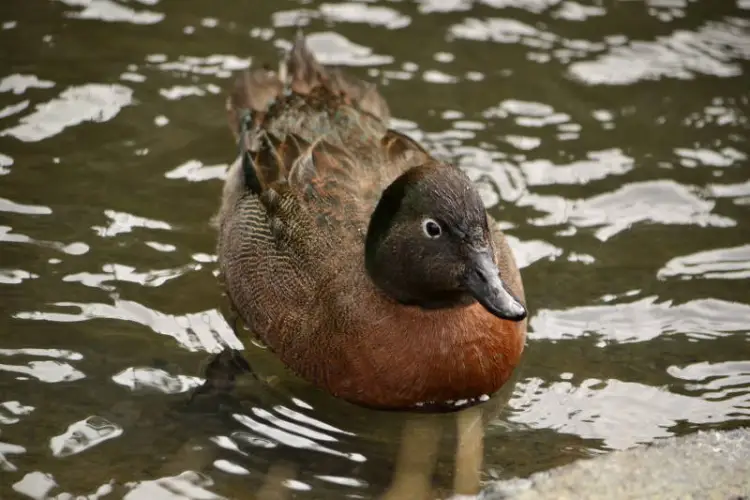
Conservationists believe Nine Lives may have accounted for about three-quarters of the pÄteke released during the project. They also suspect the cat had been feeding on kiwi chicks, native geckos, and other wildlife.
The impact was significant because pÄteke have already declined sharply. Their population once numbered in the hundreds of thousands across New Zealand. By the 1990s, only about 700 remained.
Conservation programs have helped increase the population to around 2,000, but the species is still considered one of New Zealand’s rarest mainland waterfowl.
Feral cats are a wider problem. More than 2.5 million are estimated to live across New Zealand, where they can threaten native birds, reptiles, and other animals.
Researchers plan to examine Nine Lives to determine what it had been eating. They will then preserve its body for educational purposes.
The case has also renewed attention on New Zealand’s efforts to control feral cats. In 2025, the country added feral cats to its Predator-Free 2050 strategy, which aims to remove major invasive predators from the wild.