10 Problems Humanity Fixed So Well We Forgot They Existed

Modern life is defined by conveniences and health standards that previous generations could scarcely imagine. Many of the everyday tools, medical treatments, and systems we rely on today were developed to solve existential crises, widespread diseases, or grueling labor. Over time, these solutions became so seamless and effective that the original problems have largely faded from public consciousness. This article explores 10 major historical problems that humanity has fixed successfully.
1 Iodine Deficiency

In the early 20th century, iodine deficiency was a severe public health crisis. Large regions across the globe, particularly inland areas such as the Great Lakes region in the United States, experienced a high prevalence of goiter—an enlargement of the thyroid gland. Iodine deficiency was also a leading cause of preventable intellectual and developmental disabilities in children.
The breakthrough came in the 1920s when scientists and public health officials introduced a simple, low-cost solution: fortifying table salt with potassium iodide. Because salt is a universally consumed dietary staple, iodization rapidly and effectively eliminated widespread iodine deficiency in developed nations, transforming global endocrinological health.
2 Rapid Food Spoilage

Before the widespread adoption of artificial cooling, preserving food was a constant, labor-intensive battle against bacteria and decay. Communities relied heavily on traditional preservation techniques such as heavy salting, smoking, pickling, or drying. Urban households in the 19th and early 20th centuries depended on commercial ice deliveries to keep iceboxes cold, a system vulnerable to weather fluctuations and contamination.
The invention and mass production of the domestic electric refrigerator in the 1920s and 1930s permanently altered the global food supply. Refrigeration slowed bacterial growth, drastically reduced foodborne illnesses such as botulism, and allowed households to safely store perishable goods for days or weeks.
3 Lethal Tooth Infections

Historically, a severe tooth infection was not merely uncomfortable; it was frequently life-threatening. Prior to the advent of modern dental hygiene and pharmacology, oral infections could easily spread to the bloodstream (sepsis) or deep facial tissues, compromising the airway. In the early 1900s, dental infections carried an estimated mortality rate of 10% to 40%.
The introduction of penicillin and subsequent antibiotics in the mid-20th century, combined with advanced endodontic procedures (like root canals) and sterile surgical techniques, shifted dental infections from a high-stakes medical emergency to a routine, highly treatable condition.
4 Type 1 Diabetes
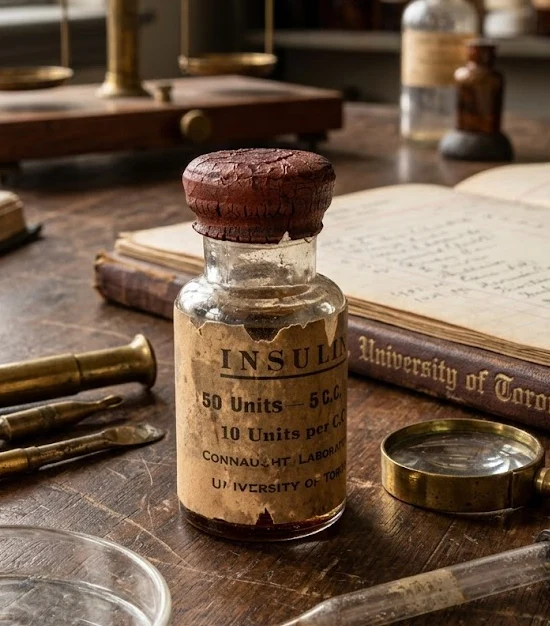
Before 1921, a diagnosis of Type 1 diabetes was essentially fatal. Because the pancreas could not produce insulin to regulate blood sugar, patients rapidly wasted away. The only known medical intervention at the time was a strict “starvation diet,” which severely restricted caloric intake to minimize blood sugar spikes. This method only delayed the inevitable by a few weeks or months.
In 1921, researchers Frederick Banting and Charles Best successfully isolated insulin at the University of Toronto. By 1922, regular insulin injections began saving human lives, turning a rapidly fatal metabolic disease into a manageable chronic condition.
5 Seasonal Produce Limitations

For most of human history, human diets were strictly dictated by geography and the seasons. During the winter months in temperate zones, access to fresh fruits and vegetables virtually disappeared, leaving populations dependent on root vegetables and preserves, which often led to nutritional deficiencies, including scurvy.
The development of global cold chains, sophisticated logistics, containerized shipping, and controlled-atmosphere storage throughout the 20th century altered agriculture. Today, complex supply chains move produce across hemispheres within days, ensuring that fresh fruits and vegetables are accessible year-round regardless of local weather.
6 Waterborne Epidemics

In the 19th century, rapidly growing industrial cities faced frequent, devastating outbreaks of waterborne diseases like cholera and typhoid fever. Because municipal drinking water was often drawn from the same rivers used for raw sewage disposal, single contamination events could kill thousands of citizens within weeks.
The implementation of civil engineering marvels in the late 19th and early 20th centuries fundamentally altered urban health. The combination of sand filtration, widespread chemical chlorination of drinking water, and dedicated subterranean sewage networks effectively neutralized waterborne pathogens in modern cities.
7 Ozone Depletion
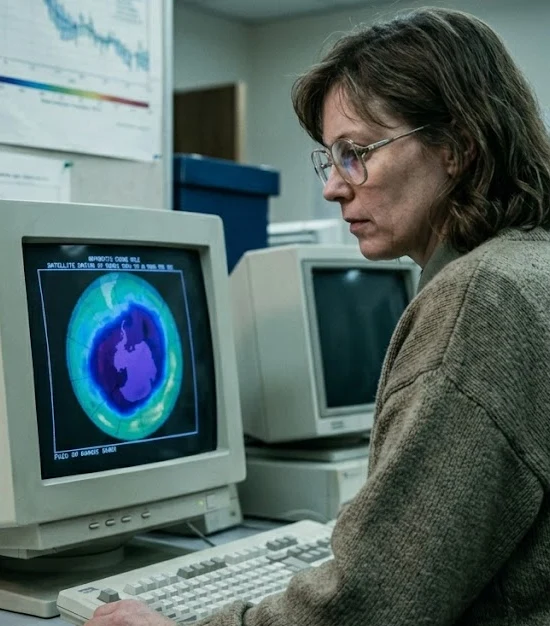
In the mid-1980s, atmospheric scientists discovered a massive, rapidly expanding hole in the Earth’s ozone layer over Antarctica. The culprit was identified as chlorofluorocarbons (CFCs), stable chemical compounds widely used in refrigeration, air conditioning, and aerosol propellants, which break down ozone molecules in the stratosphere, threatening to drastically increase global skin cancer rates and disrupt ecosystems.
In response, the international community drafted the Montreal Protocol in 1987. The treaty mandated a global phase-out of CFCs and other ozone-depleting substances. Recognized as one of the most successful international environmental agreements in history, the protocol halted ozone degradation, and scientists project the ozone layer will fully recover by the mid-21st century.
8 Cumbersome Menstrual Products

Before the mid-20th century, managing menstruation involved significant physical discomfort and social restriction. Women relied on homemade, bulky layers of flannel or woven cloth that had to be pinned or clipped to heavy elastic “sanitary belts.” These reusable cloths required constant washing, drying, and concealment.
The evolution of materials science led to the development of disposable, highly absorbent paper-pulp materials during World War I, which inspired the commercial launch of Kotex pads. By the late 20th century, the introduction of self-adhesive backings and modern tampon applicators eliminated the need for belts and pins, providing discreet, hygienic options that significantly improved daily mobility and comfort.
9 Grueling Manual Laundry

Historically, “wash day” was one of the most physically punishing aspects of domestic labor, often taking a full day or more of intense exertion. The process required carrying dozens of gallons of water, heating it over a wood or coal stove, scrubbing fabrics manually against ridged washboards, and using hand-cranked wringers to extract water before hanging clothes to dry.
The introduction of the electric washing machine in the early 20th century completely automated this process. By handling the agitation, rinsing, and spin-drying cycles mechanically, the washing machine saved countless hours of physical labor, an advancement social historians credit as a major catalyst for women entering the formal workforce.
10 Paper Navigation and Getting Lost

Until the early 2000s, vehicular travel over unfamiliar terrain required extensive planning using printed paper road atlases, local maps, or handwritten directions. A single missed turn or an outdated map could leave drivers completely lost.
This logistical challenge was resolved by the Global Positioning System (GPS), a network of satellites originally developed by the U.S. Department of Defense. When GPS technology became available to civilians and was eventually integrated into internet-connected smartphones with real-time mapping applications, navigation became entirely automated. Drivers are now provided with turn-by-turn audio directions and live traffic updates, making getting physically lost an increasingly rare occurrence.