How Much Countries Pay Their Olympic Athletes for Winning Gold in 2026

The 2026 Winter Olympics in Milano-Cortina showcased a massive disparity in Olympic athlete pay in 2026, as nations took vastly different approaches to rewarding their stars. While the International Olympic Committee provides no prize money, individual countries offer “medal bonuses” that range from hundreds of thousands of dollars to nothing at all. This listicle explores the financial rewards and the final medal hauls of 10 key nations at the 2026 Games.
1 Singapore: $787,000
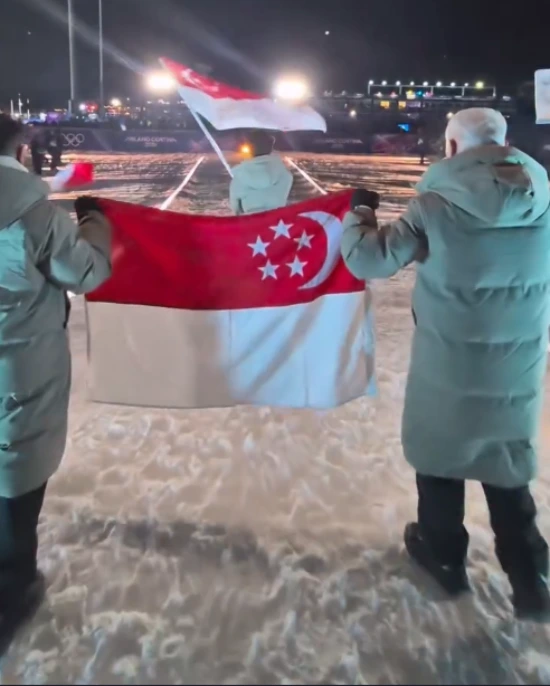
Singapore remains the world’s most generous nation regarding Olympic incentives, offering a massive $787,000 for a single gold medal through its Major Games Award Programme. Despite this life-changing financial carrot, the nation finished the 2026 Winter Games with zero total medals, highlighting the extreme difficulty for tropical nations to break into the podium ranks of winter sports.
2 Norway: $0

Norway stands as the ultimate outlier, topping the medal table while paying exactly $0 in direct athlete bonuses. The Norwegian sports model focuses on reinvesting all available funds into grassroots infrastructure and professional training environments rather than cash prizes. This strategy proved dominant in 2026, as Norway secured 18 gold, 12 silver, and 11 bronze medals, setting a record for the most gold medals won by any country at a single Winter Olympics.
3 United States: $37,500
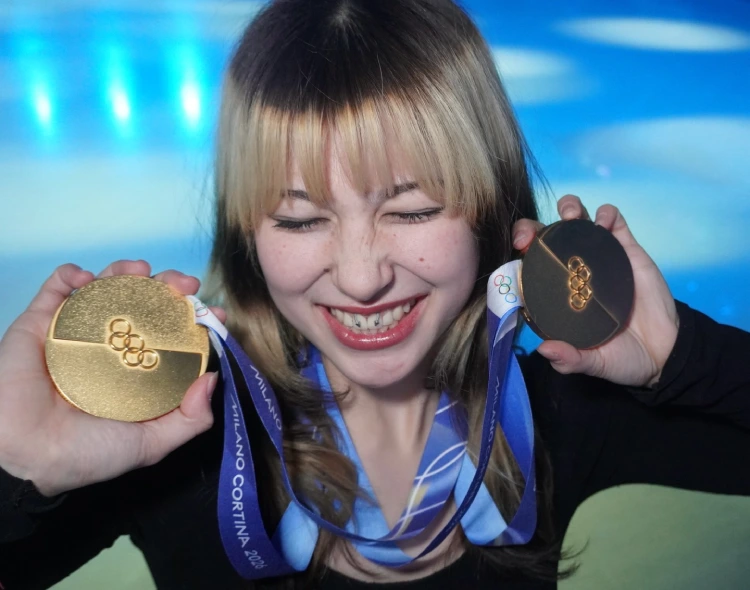
The United States Olympic & Paralympic Committee (USOPC) offers a modest $37,500 for gold, $22,500 for silver, and $15,000 for bronze. While these payouts are lower than those of some European and Asian counterparts, U.S. athletes typically have higher earning potential through private sponsorships. The Americans finished 2026 in second place overall, taking home 12 gold, 12 silver, and nine bronze medals.
4 Italy: $213,000
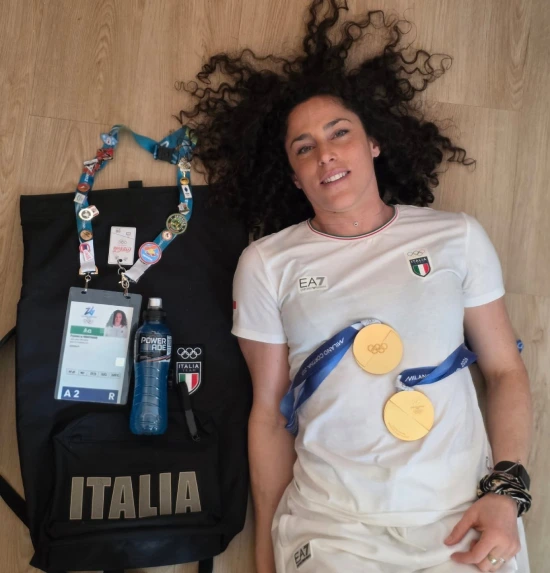
As the host nation, Italy offered significant motivation to its athletes with a gold medal bonus of $213,000. The investment yielded strong results in front of a home crowd. Italy concluded the Games with a total of 30 medals, consisting of 10 gold, six silver, and 14 bronze, marking one of their most successful winter performances in history.
5 Poland: $355,000

Poland offers one of the more unique incentive packages, valued at approximately $355,000 for gold, which often includes a combination of cash and property investments. In 2026, the Polish team celebrated a respectable haul of four total medals, consisting of three silver and one bronze, with much of their success coming from the ski jumping hills.
6 Kazakhstan: $250,000

Kazakhstan maintains a high payout policy of $250,000 for gold medalists. The country celebrated a historic breakthrough in 2026 when figure skater Mikhail Shaidorov won their only podium finish of the Games. This single gold medal represented Kazakhstan’s first-ever Olympic gold in figure skating and its best Winter Games result in over three decades.
7 Germany: $35,000

Germany’s bonus structure is relatively conservative, paying out roughly $35,000 for a gold medal through the Sporthilfe foundation. Despite the lower individual payout, the German “sliding machine” remained a force to be reckoned with, securing 26 total medals, including eight gold, 10 silver, and eight bronze, largely dominating the bobsleigh and luge tracks.
8 Canada: $15,000

Canada provides a reward of $15,000 for gold medals through the Athlete Excellence Fund. While the nation faced challenges with a “shallower athlete pool” compared to previous years, they still managed a strong top-10 finish with 21 total medals, comprised of five gold, seven silver, and nine bronze.
9 Brazil: $67,000
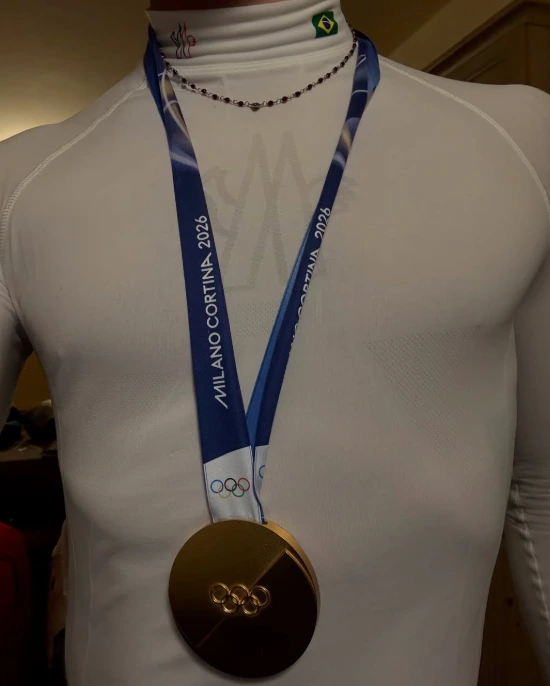
Brazil offered a $67,000 bonus for gold in an effort to spur winter sports development. They made history in 2026 when Lucas Pinheiro Braathen won the Men’s Giant Slalom, securing Brazil’s first-ever Winter Olympic medal, which happened to be a gold. This single victory made Brazil the first South American nation to ever grace the Winter Olympic podium.
10 Switzerland: $64,000

Switzerland rewards its gold medalists with $64,000. The Swiss team showed remarkable consistency in 2026, particularly in alpine skiing, finishing the Games with 23 total medals. This impressive haul was split between six gold, nine silver, and eight bronze, maintaining Switzerland’s status as a winter sports powerhouse.