


10 Things About Your Body that Will Surprise You
Your body is constantly doing things you rarely notice. Some organs can change, some tissues rebuild themselves, and even your heart and blood cells respond to what is about to happen. Here are 10 facts that show just how unusual the human body is.
1 Your cornea has no blood vessels.
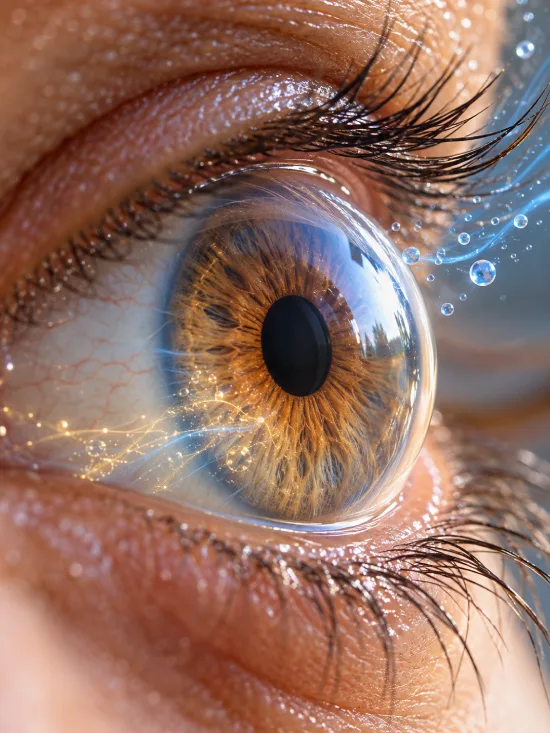
The cornea, the clear outer layer at the front of your eye, has no blood vessels. Instead, it gets oxygen directly from the air through the tear film covering its surface. It also receives nutrients from fluids inside the eye. This unusual arrangement helps keep the cornea transparent so light can pass through it.
2. Your liver can regenerate after part of it is removed.
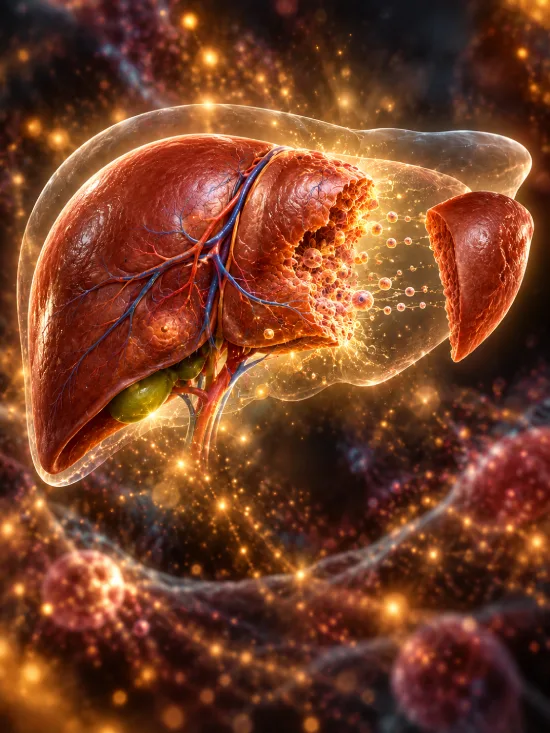
The liver can regenerate after part of it is removed. If surgeons remove part of the organ, the remaining liver tissue grows larger until liver mass and function are largely restored. The missing section does not simply grow back as an identical copy. Instead, existing liver cells enlarge and, depending on the extent of tissue removed, produce more cells to compensate for the lost tissue.
3 Your brain uses a huge amount of energy.
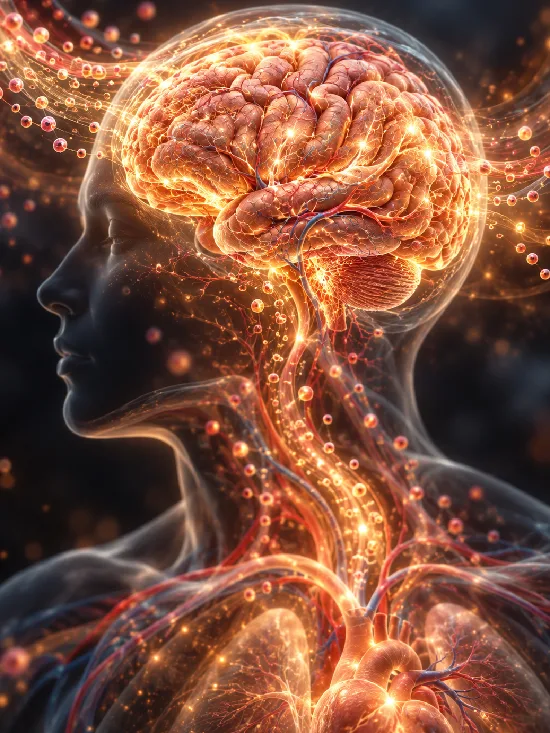
Although the brain makes up only about 2% of an adult’s body weight, it uses roughly 20% of the body’s energy at rest. Much of this energy is needed to maintain electrical activity between nerve cells and keep the brain’s cells functioning. Even when you are sitting still, your brain is working continuously.
4 Your brain itself cannot feel pain.
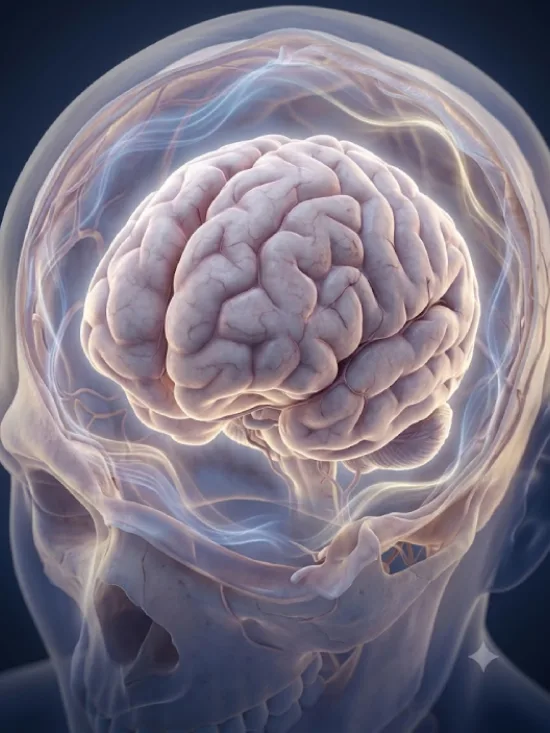
The brain itself has no pain receptors, so brain tissue cannot directly sense pain. Headache pain instead usually arises from pain-sensitive structures around the brain, including the protective meninges, blood vessels, nerves, and muscles of the head and neck.
5 Your bones are constantly being rebuilt.
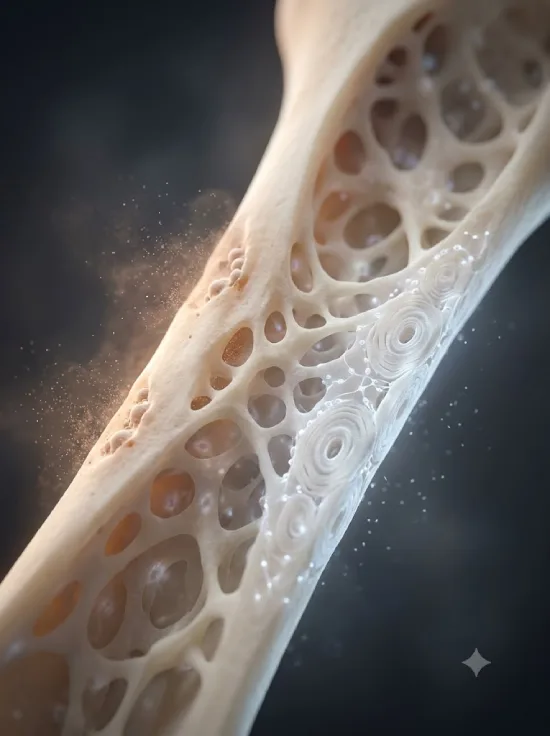
Your skeleton may look like a fixed structure, but your bones are continually changing. Specialized cells break down old bone while other cells build new bone. This process, called bone remodeling, happens throughout life and helps maintain bone strength and repair small areas of damage.
6 Your cornea has hundreds of times more pain receptors than skin.
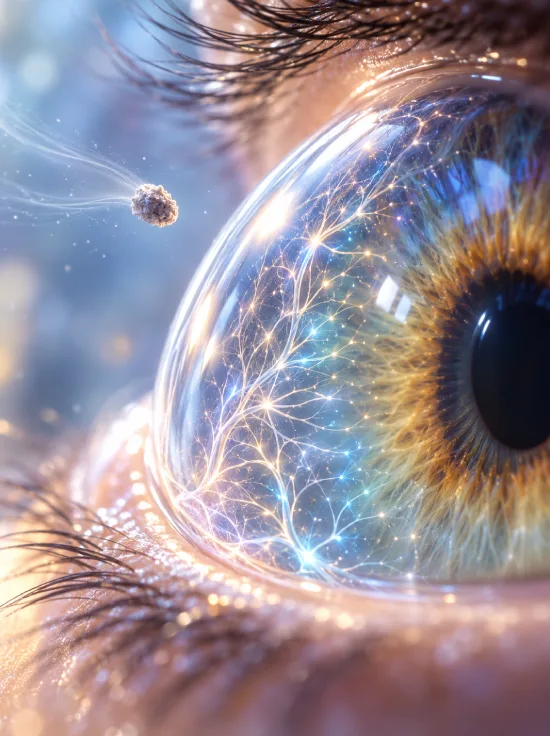
The cornea contains a very high concentration of pain-sensitive nerve endings. It can have 200-300 times more pain receptors per area than ordinary skin. That is why something as small as a speck of dust can cause intense discomfort, watering, and an urge to blink.
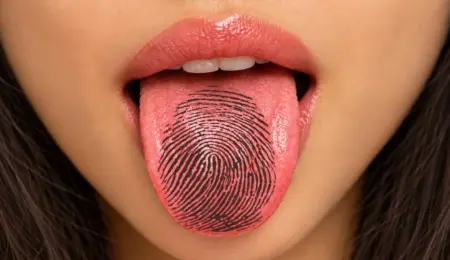
7 Your tongue has a distinctive pattern.
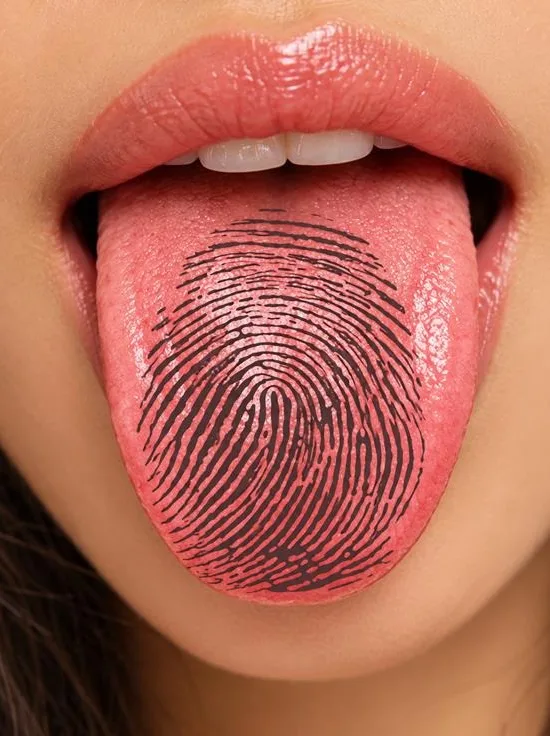
The surface of the tongue has a combination of grooves, bumps, textures, and shapes that varies from person to person. Like fingerprints, these features can form a distinctive pattern. Researchers have explored using tongue characteristics for identification, although fingerprint and other established methods remain much more common.
8 Your heart can speed up before exercise begins.
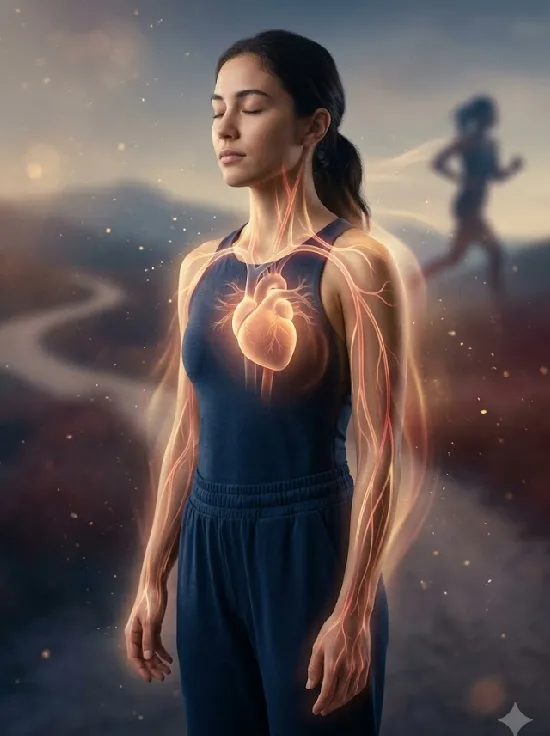
Your heart does not always wait for exercise to start before responding. When you expect physical activity, your nervous system can trigger an anticipatory increase in heart rate. This prepares the cardiovascular system for the increased demand.
9 Red blood cells squeeze through tiny vessels.
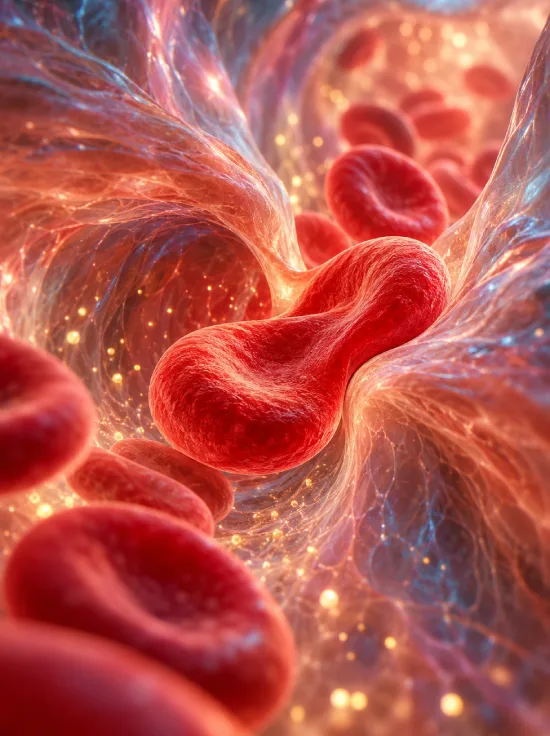
Most red blood cells are about 7–8 micrometers wide. Some of the body’s smallest blood vessels, called capillaries, can have an internal diameter of only around 2–3 micrometers. Red blood cells are flexible enough to bend and change shape as they pass through these narrow spaces, allowing oxygen to reach tissues throughout the body.
10 Your left lung is smaller than your right.
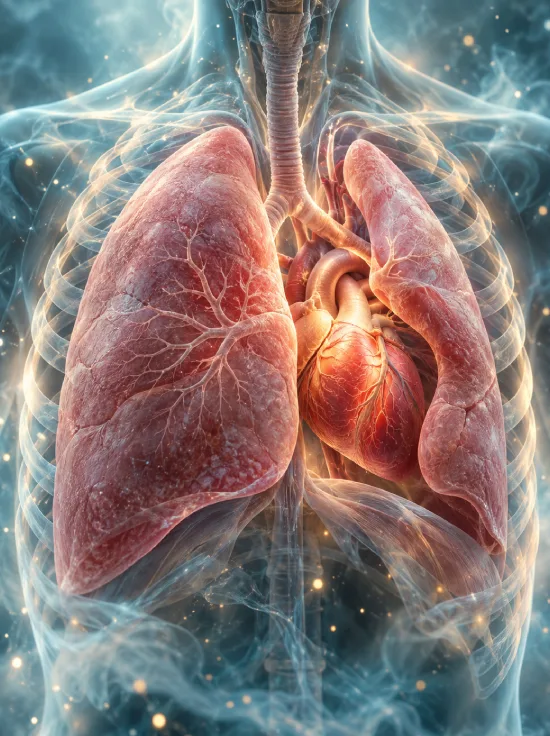
Your lungs are not identical in size. The left lung is slightly smaller because the heart sits partly on the left side of the chest and needs space. The left lung has two lobes, while the right lung has three. This difference lets the lungs and heart fit together within the chest’s limited space.