


$10 Million in Gold Found Beneath Former Brewery in Belgium

A routine construction project in Dendermonde, Belgium, uncovered a hidden fortune in August 2026. Workers drilling beneath a former brewery found 49 gold bars and more than 4,000 gold coins, estimated at $10 million. The discovery immediately raised a bigger question than how the gold got there: who legally owns it?
Workers first thought they had found ordinary coins underground.
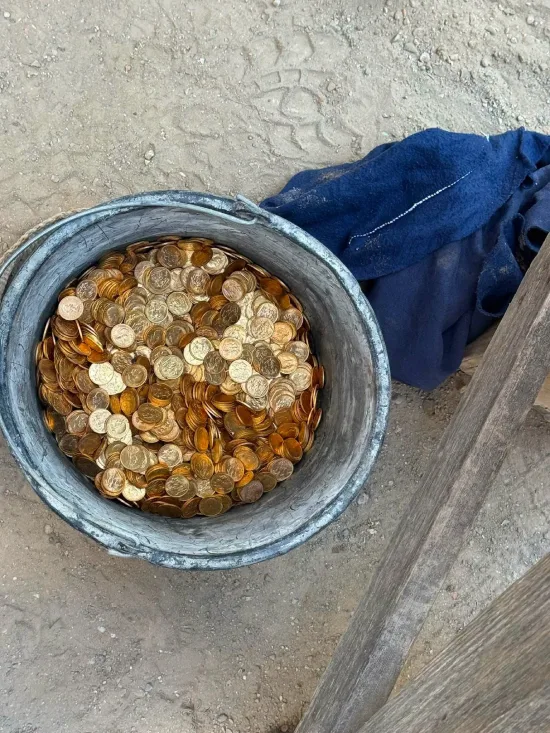
The workers were renovating the site to create transitional housing and were drilling beneath the foundations of a brewery built in the 1890s. When something began appearing inside a small brick cellar, they initially thought they had found a collection of one-euro coins.
That changed when they uncovered a gold bar.
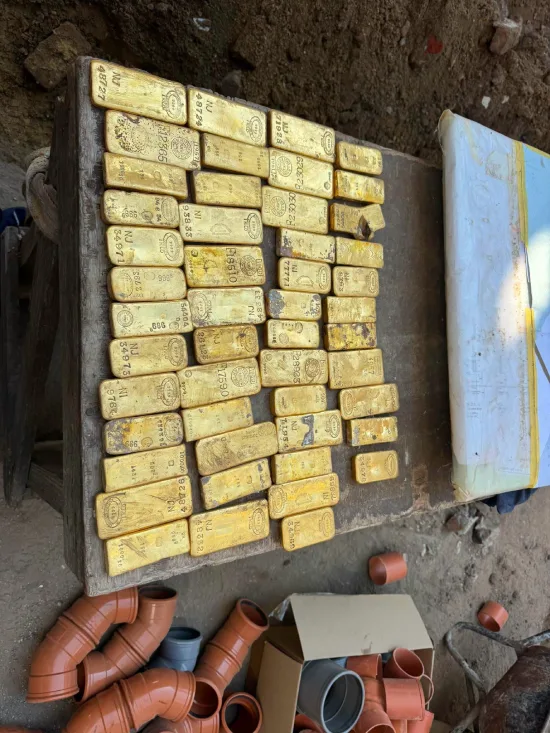
The crew continued searching and found more bars and thousands of coins. Some of the bars were accidentally scratched or dented by construction tools before the workers realized what they had found.
For site manager Mario, who had spent 33 years in construction, the discovery was unlike anything he had experienced before. An 18-year-old student worker named Kobe also described the first reaction as disbelief.
The police were equally surprised. Chief Patrick Feys initially thought the call about the discovery was a joke. Once the scale of the find became clear, officers quickly moved the gold to a secure location.
Police counted every piece because the fortune raised immediate legal questions.
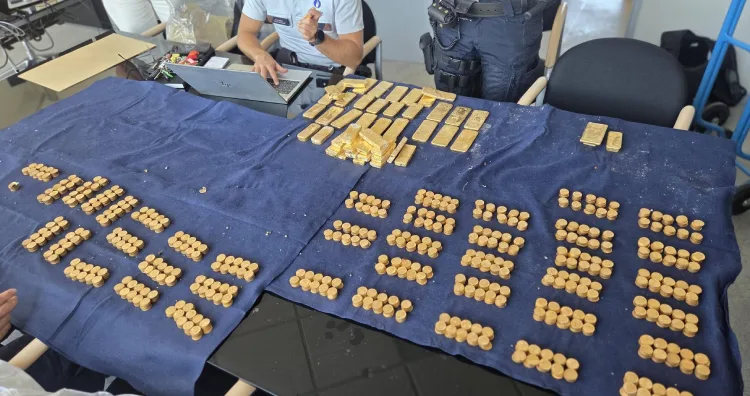
The treasure consisted of 49 gold bars and more than 4,000 coins. The estimated value was around 9 million euros, or roughly $10 million.
Four people later counted the pieces at the police station under surveillance cameras to make sure nothing disappeared. Authorities also began investigating where the gold came from and whether it had been stolen or linked to a crime.
The building has a long history. It was originally associated with the Van Assche brewery family, whose brewery operated until 1970. Historian and former Dendermonde mayor Piet Buyse has suggested the gold could be connected to the family, although its exact origin remains unknown.
One of the bars carries a stamp dating it to the 1960s, offering at least one clue about when the gold may have been acquired.
Under Belgian law, potential heirs have five years to make a legitimate claim. If no rightful owner is found and the gold is not connected to a crime, ownership can eventually be divided according to the applicable rules.
The nonprofit that owns the building could eventually use the gold for housing.
CAW Oost-Vlaanderen, a nonprofit organization that provides social services, now owns the property. The organization received the building from a Benedictine monastery, which had previously used it for transitional housing.
If the gold ultimately belongs to the nonprofit, its director, Geert Hillaert, said he hopes it could help fund more housing for families without homes. The organization also supports young people, immigrants, victims of abuse and formerly incarcerated people.
For now, however, the fortune remains in official custody while authorities investigate its history.
The discovery has already attracted people hoping to find more gold at the site. Police have warned them to stay away because the building is being demolished and the area is dangerous.