
10 Everyday Things that Are Riskier than they Look

Many everyday habits and objects feel completely safe because they are familiar. We see them in kitchens, homes, and cars every day, so we rarely question them. However, research and safety reports indicate that under specific conditions, these seemingly harmless substances can become dangerous. Understanding these hidden risks helps people make safer choices without unnecessary fear.
Here are ten everyday things that pose significant, hidden hazards.
1 Grapefruit Juice

While grapefruit is a healthy fruit, its juice can be a dangerous companion to certain medications. Grapefruit contains compounds called furanocoumarins that interfere with the CYP3A4 enzyme in the small intestine. Usually, this enzyme helps break down many drugs, limiting the amount that enters the bloodstream.
When this enzyme is blocked, the body absorbs significantly more of the drug than intended, effectively creating an overdose. This interaction can occur with medications for high blood pressure, cholesterol (statins), and anti-anxiety treatments. According to the FDA, the effect can last for up to 24 hours, meaning you cannot simply space out the juice and the pill.
2 Leftover Rice

Many people assume that reheating food kills all bacteria, but rice poses a unique threat. This is a common situation in which harmless substances become dangerous due to improper storage. Raw rice often contains spores of Bacillus cereus, a bacterium that can cause food poisoning. These spores are heat-resistant and survive the initial cooking process.
If rice sits at room temperature for more than two hours, these spores can germinate into bacteria and produce toxins. Reheating may kill bacteria, but it will not always inactivate heat-stable toxins already produced. To stay safe, rice should be cooled quickly and refrigerated immediately.
3 Dryer Lint
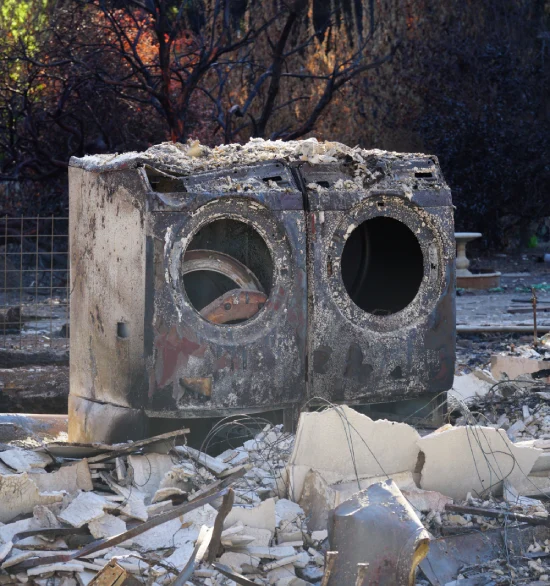
Dryer lint is more than just a laundry nuisance; it is a highly flammable fuel source. As clothes tumble, tiny fibers break off and collect in the lint trap and the internal venting system. If these vents become clogged, the dryer cannot exhaust heat efficiently.
The buildup of heat can eventually reach a flashpoint, igniting the dry, airy lint. The National Fire Protection Association (NFPA) reports that dryers and washing machines cause approximately 16,000 home fires annually. Regular cleaning of both the trap and the exterior vent hose is essential for fire prevention.
4 Linseed Oil-Soaked Rags

For DIY enthusiasts, linseed oil is a popular choice for finishing wood. However, the drying process of this oil is an exothermic chemical reaction—meaning it generates heat as it oxidizes.
If rags soaked in linseed oil are folded or piled up, the heat generated by the drying oil is trapped. Without air circulation to dissipate the heat, the temperature can rise until the rags reach their ignition point, leading to spontaneous combustion. This is a prime example of how harmless things turn dangerous in a workshop. To stay safe, used rags should be spread out flat to dry or stored in a water-filled metal container.
5 Smashing Faces into Tiered Cakes

A popular birthday prank involves pushing someone’s face into their cake. While it looks like fun, it can result in severe facial injuries. Professional multi-tiered cakes require structural integrity to remain upright, which is achieved by inserting wooden or plastic dowels into the cake.
If a person’s face is forced onto one of these rods, it can cause puncture wounds to the skin or permanent damage to the eyes or nose. Because these supports are invisible from the outside, there is no way to know if a “safe†spot exists to push someone’s head.
6 Putting Feet on the Dashboard

Riding in the passenger seat with your feet on the dashboard might seem like a way to relax, but it is one of the most hazardous positions to be in during a collision. Airbags are designed to deploy at speeds between 100 and 200 mph.
If an airbag deploys while your feet are on the dashboard, the force will instantly drive your knees into your face. This often results in broken facial bones, permanent blindness, and severe hip dislocations.
7 Garage Door Springs

The heavy lifting of a garage door is handled by high-tension springs. These springs store a large amount of energy to counterbalance the door’s weight.
Over time, metal fatigue causes these springs to weaken and eventually snap. This is another instance where harmless things turn dangerous without warning. When they break, the stored energy is released instantly, and a snapping spring can whip out with enough force to shatter glass or cause fatal injuries. Trained professionals should always handle repairs.
8 Lithium-Ion Batteries

From smartphones to e-bikes, lithium-ion batteries are everywhere. While generally safe, they are sensitive to physical damage, overcharging, and extreme heat. A damaged battery can enter a state called thermal runaway.
This is a chemical chain reaction in which the battery’s internal temperature rises uncontrollably, causing it to vent toxic gases and ignite into an intense, self-sustaining fire. These fires produce their own oxygen, making them extremely difficult to extinguish with standard fire extinguishers.
9 Green Potatoes

It is common to find a potato with a greenish tint in the pantry, but eating it can be toxic. The green color results from chlorophyll, indicating that the potato has been exposed to light. This exposure triggers the production of solanine, a natural glycoalkaloid.
Solanine is a toxin that can cause gastrointestinal distress and neurological symptoms like headaches. Unlike many other food pathogens, solanine is not destroyed by boiling or frying. While a small green spot can be cut away, a significantly green potato should be discarded.
10 Home Trampolines

Trampolines are a staple of backyard recreation, but they are associated with an estimated 100,000 emergency room visits in the U.S. each year. Most injuries occur when multiple people jump simultaneously, resulting in collisions or “double bounces†that exert unexpected forces on the limbs.
The American Academy of Pediatrics (AAP) has long advised against home trampoline use, noting that the most frequent injuries include broken bones, concussions, and, in severe cases, permanent spinal cord injuries.