Spanish Actress Became a Mother Using Her Late Son’s Frozen Sperm
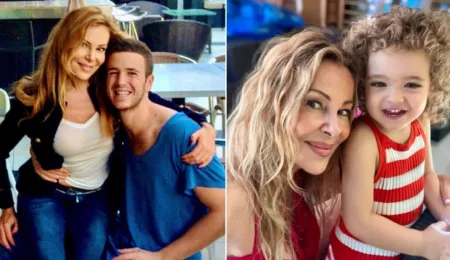
Spanish actress and television personality Ana Obregón has confirmed that the baby she welcomed was conceived using sperm frozen from her late son, Aless Lequio, who passed away in 2020. The child, born on March 20, 2023, came into the world through surrogacy in the United States, a practice that is illegal in Spain. The story has garnered significant attention due to its personal, legal, and ethical dimensions.
Ana Obregón decided to proceed with surrogacy to fulfil her late son’s wish of becoming a father.
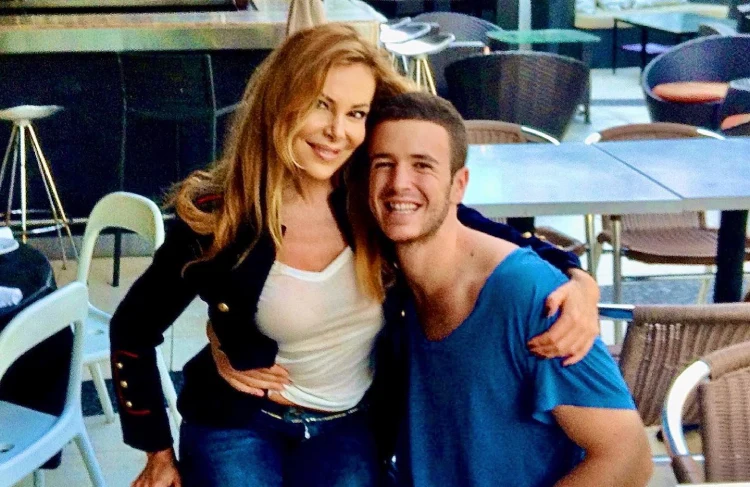
In an interview with the Spanish magazine ¡Hola!, Obregón revealed that the baby, named Ana Sandra, was born in Miami via gestational surrogacy. The sperm used in the process had been frozen by her son Aless before undergoing cancer treatment several years earlier, and a donor egg was used to complete the fertilization.  A surrogate in the U.S carried the fetus.
Aless Lequio, who was Obregón’s only child, passed away at age 27 after battling Ewing’s sarcoma, a rare and aggressive form of bone cancer. Before treatment, doctors advised Aless to preserve his sperm, and according to Obregón, he expressed a clear wish to have children in the future.
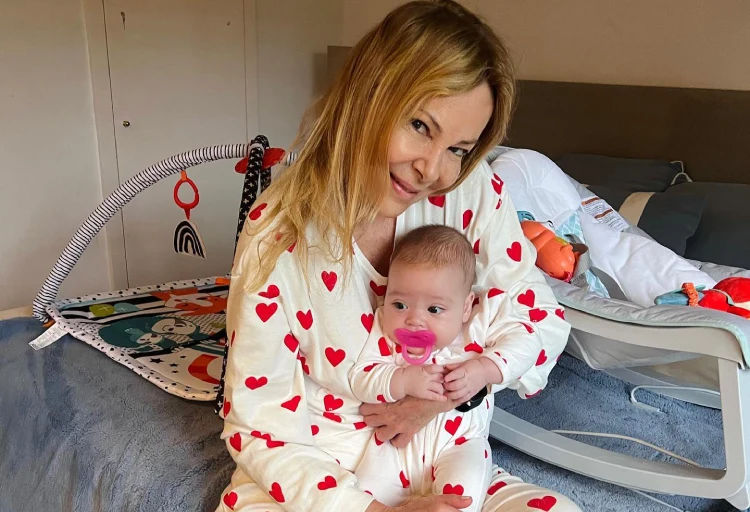
Now 68, Obregón said she decided to proceed with surrogacy to fulfil her late son’s wish of becoming a father. “It was his last will,†she told ¡Hola!, explaining that she considers the baby to be her granddaughter, not her daughter, since she is genetically related to Aless.
Legal experts pointed out that Obregón did not break Spanish law because the surrogacy occurred in the United States.
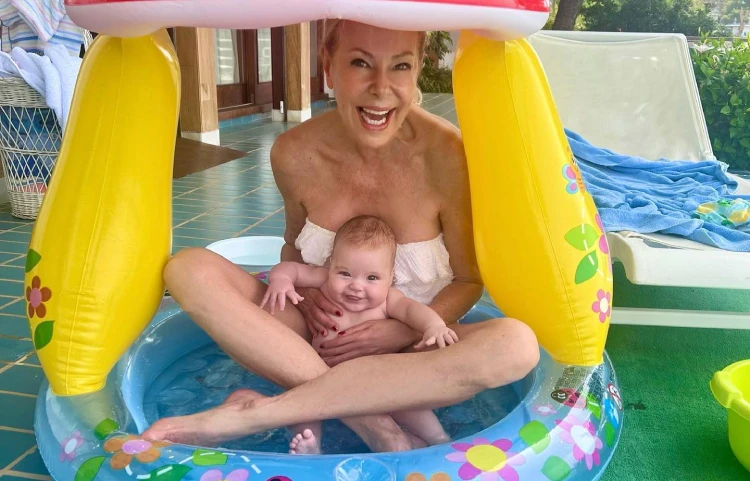
While surrogacy is permitted in parts of the United States, it is completely banned in Spain, where the law recognizes the woman who gives birth as the legal mother. However, Spanish citizens can still register children born abroad through surrogacy under specific circumstances.
The news sparked a nationwide debate in Spain. Equality Minister Irene Montero condemned the practice, describing surrogacy as “a form of violence against women.†Other officials and commentators urged compassion, pointing to the emotional nature of Obregón’s decision and the unique circumstances surrounding her son’s death.
Legal experts also noted that although Obregón did not break any laws—since the surrogacy took place in the U.S.—her case exposes a legal and ethical grey area. Spain’s surrogacy laws aim to prevent the commercialization of childbirth, yet more Spanish citizens are turning to other countries where the practice is legal, raising questions about regulation and parental rights.
Obregón plans to raise Ana Sandra in Spain and ensure the child learns about her father’s story when she grows up.
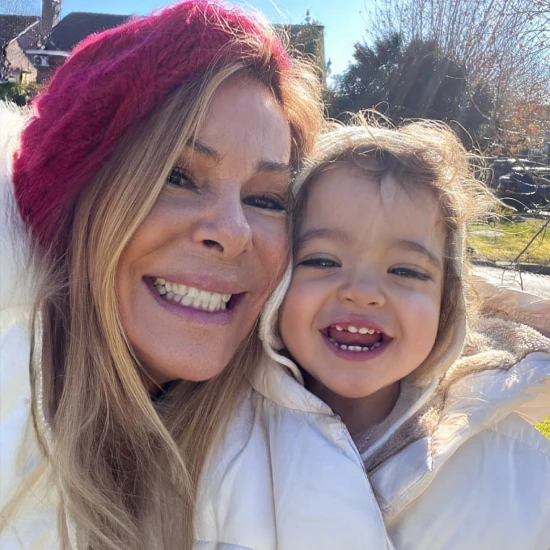
Obregón has said that the decision gave her “a reason to live again†after the loss of her son. “This girl is not my daughter but my granddaughter,†she told Spanish media, adding that baby Ana Sandra represents “Aless’s legacy.â€
Public reaction in Spain has been sharply divided. Many expressed support and sympathy for Obregón, viewing her decision as an act of love and grief. Others raised ethical concerns about posthumous reproduction and surrogacy, notably regarding consent, women’s rights, and the long-term implications for the child.
Despite the controversy, Obregón said she plans to raise Ana Sandra in Spain and will ensure the child learns about her father’s story when she grows up. “She will know that her father was a hero,†she told ¡Hola!.
Ana Obregón’s case is among the most high-profile examples of posthumous conception in Europe. It highlights how advancements in reproductive technology continue to challenge existing laws and social norms.