10 Wild Cosmetic Surgeries People Actually Get Done
Cosmetic surgery has long included facelifts, liposuction, breast augmentation, and the like. But beyond the mainstream, there’s a surprising range of extreme procedures that blur the line between medical necessity and body-modification ambition. Below are ten wild cosmetic surgeries that people really get—each with its own risks, motivations, and curiosities.
1 Leg-lengthening surgery

Also known as cosmetic stature or limb-lengthening surgery, this procedure involves cutting a leg bone (femur or tibia), inserting a device (rod or external frame), and gradually stretching the bone so that new bone tissue forms in the gap. Though initially developed to correct limb-length discrepancies, some healthy adults pursue it to gain height, which can be as much as six inches, for cosmetic reasons.
The appeal is obvious—taller stature equals more confidence, social advantage, or better body proportions. But the trade-offs are severe—months of recovery, risk of infection, nerve damage, uneven leg lengths, and considerable pain. A recent news article warns against this surgery when performed solely for aesthetic reasons.
2 Rib removal surgery

In this procedure, one or more of the “floating ribs†(typically ribs 11 and/or 12) are surgically removed (or repositioned) in order to narrow the waist-to-hip ratio, creating an extreme hourglass silhouette.
A study found the mean waist-to-hip ratio dropped from 0.78 to 0.72 after rib removal with minimal reported complications in a small sample.
But the procedure remains controversial. Experts raise concerns about chest-wall instability, lung function reduction, and long-term skeletal effects.
3 Palm-line surgery
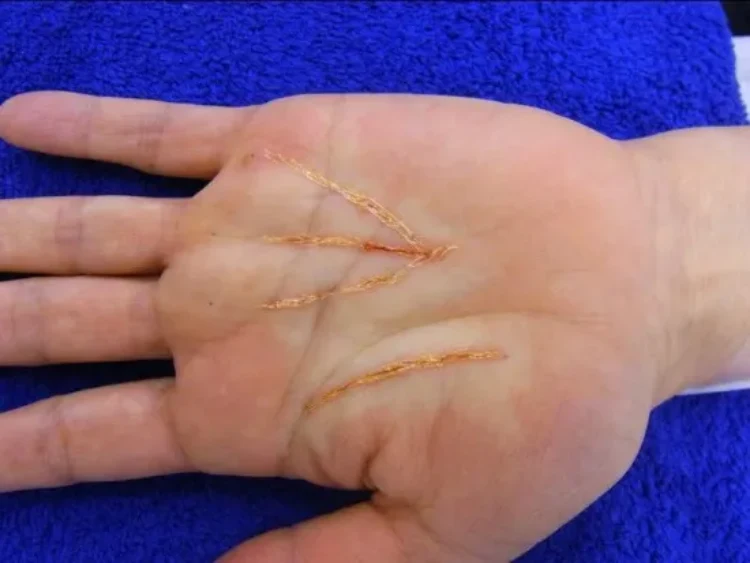
This is far less commonly discussed in the academic literature, but among body-modification communities, the idea is to reshape or add palm lines (creases on the hands). Surgeons reshape the epithelium or superficial skin lines using an electric scalpel to burn small incisions in the palm, extending or adding new lines associated with love, money, or success.
The motivation is often cultural or esoteric—the belief that palm lines affect destiny or career. Because this lies at the boundary of cosmetic and symbolic surgery, rigorous medical data is sparse.
4 Elf-ear surgery

Inspired by fantasy characters and anime culture, this procedure reshapes the ear cartilage to give the ear a pointed, “elfâ€-like appearance.
The appeal is aesthetic and identity-driven rather than functional. As with any cartilage surgery, it carries the risk of infection, asymmetry, cartilage necrosis, and unsatisfactory contours.
5 Scleral tattooing
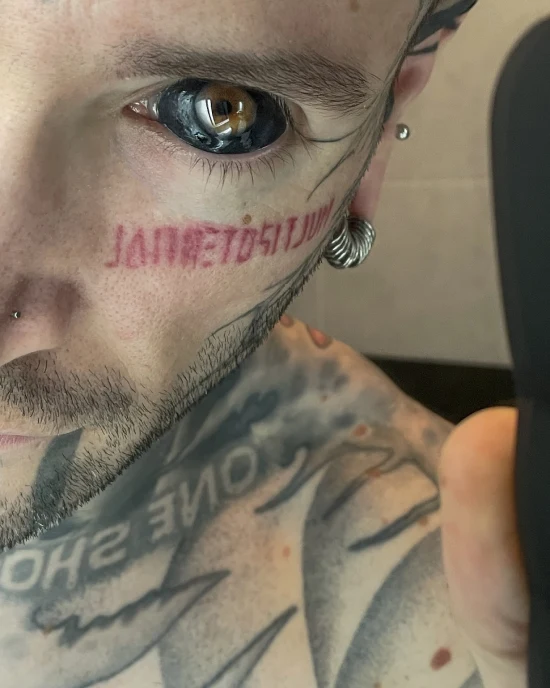
In this extreme body modification, a pigment is injected into the sclera (the “white†of the eye) to permanently change its color or appearance. The practice emerged from body-art communities. But health professionals strongly caution against it. The eye is a delicate structure, and there is the possibility of retinal detachment, infection, and permanent damage if ink is misplaced.
6 Bagel-head procedure
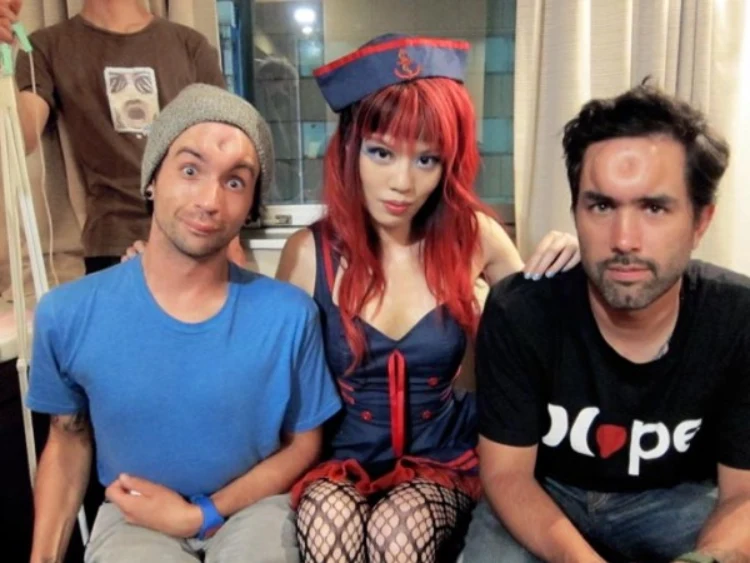
Originating as a short-lived fashion trend related to a festival in Japan, the “bagel-head†procedure involves injecting saline under the skin of the forehead, resulting in a ring-shaped swelling that resembles a bagel. The saline is absorbed over time, so the effect is temporary. While not a mainstream plastic-surgery offering, it is a documented body-mod trend.
7 Tongue-splitting (forked tongue)

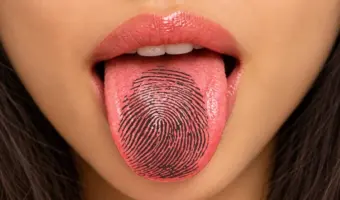
More common within the body-modification rather than traditional cosmetic surgery fields, tongue-splitting divides the tip of the tongue into two parts, giving it a forked appearance. It is often done for self-expression, aesthetic shock-value, or identification with certain subcultures rather than conventional beauty. As with any cutting procedure, risk of bleeding, infection, speech/chew issues, and nerve damage exists.
8 Keratopigmentation
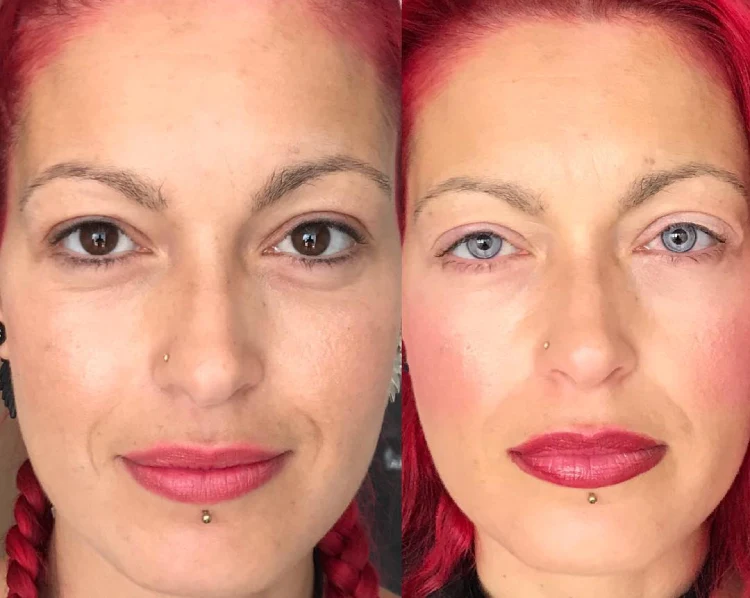
Keratopigmentation involves adding pigment into the cornea (or related structures) to alter eye colour permanently (or semi-permanently) for cosmetic or medical reasons. A study of 79 eyes of 40 patients undergoing keratopigmentation found 90% excellent follow-up rates and 92.5% patient-reported satisfaction with the results.
Still, because it involves the eye, the procedure is not without potential risks. Long-term data remain limited, especially when used purely for aesthetic rather than medical reasons.
9 Orthognathic surgeryÂ
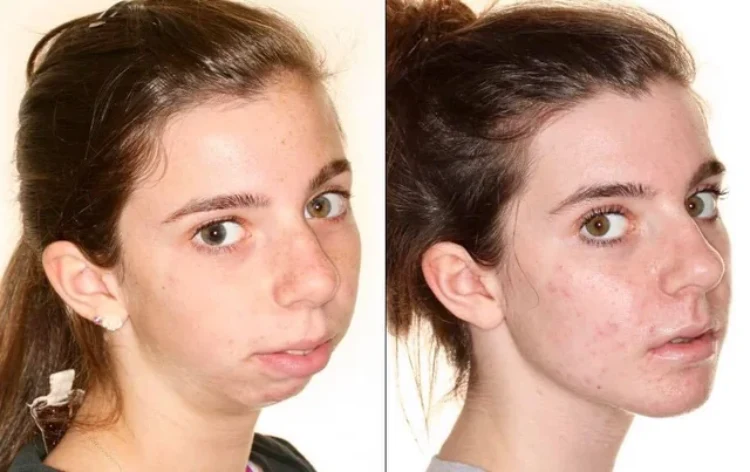
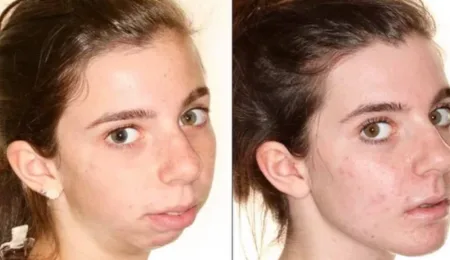
Usually performed for functional reasons (bite correction, jaw misalignment), orthognathic surgery is increasingly used for cosmetic aims—repositioning the upper and/or lower jawbone to create a more defined jawline, correct facial asymmetry, or alter profile. For individuals seeking sharper facial contours, the surgery provides significant improvements. While more mainstream than some items on this list, using it purely for aesthetic aims raises ethical and medical questions (e.g., is the functional need present?).
10 Calf-implant surgery
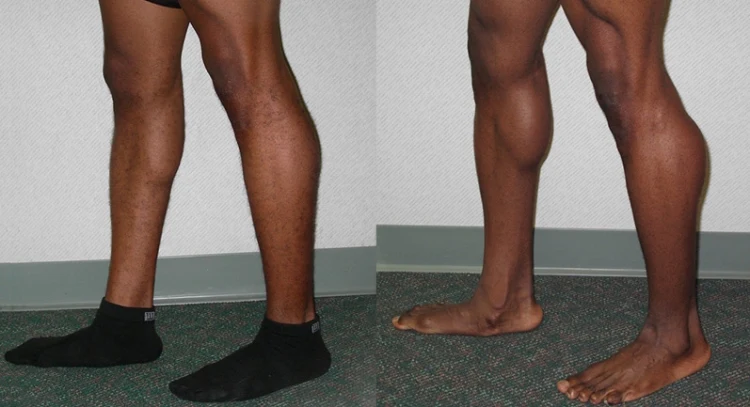
For individuals dissatisfied with the size or symmetry of their calves—whether due to genetics, injury, or aesthetic preference—calf-implant surgery involves placing silicone prostheses behind the gastrocnemius muscle to enhance muscle definition or leg proportion. The result is fuller, defined calves, but risks include infection, implant shift, muscle injury, and prolonged recovery.