10 Things Normal in Other Countries That Americans Find Bizarre
Everyday life looks different depending on where you live. What feels ordinary in one country can look completely puzzling to someone from another. From bamboo poles sticking out of apartment windows to babies napping outdoors in the snow, here are ten cultural habits from around the world that Americans may find strange.
1 In Singapore, laundry dries on bamboo poles slotted into window sockets of public housing flats.
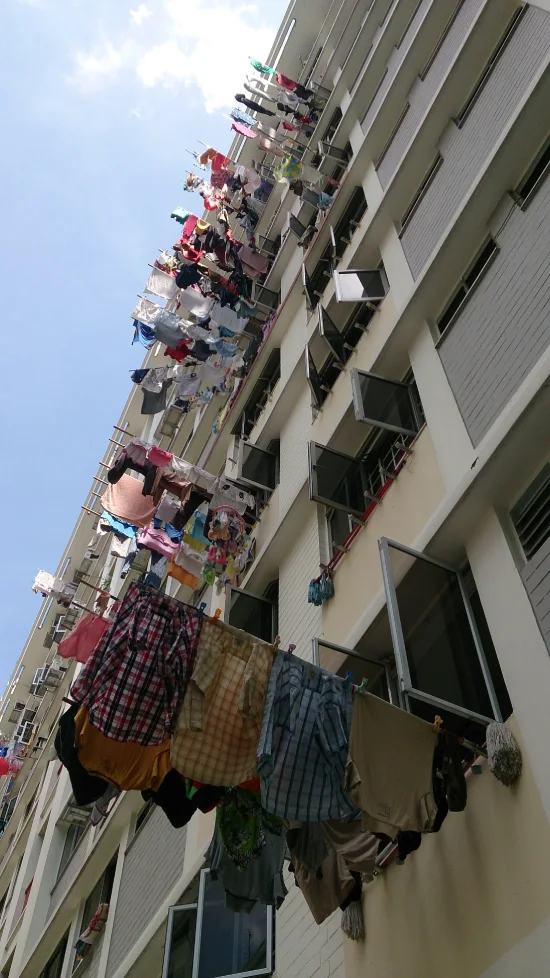
In Singapore’s public housing estates, it’s common to see clothes drying on long bamboo poles sticking out of apartment windows. The system, in place since the 1960s, makes the most of the limited space in high-rise flats. Newer housing blocks now use retractable racks, but the bamboo “laundry pole†remains a familiar sight across the city.
2 In Denmark, if you are still unmarried on your 25th birthday, you are tied to a pole and showered with cinnamon as part of a tradition.

In Denmark, anyone who reaches 25 without being married can expect friends to mark the milestone with an unusual tradition. Friends tie the birthday person to a post or lamppost and cover them in cinnamon powder. At 30, the spice changes to pepper. The custom is lighthearted, rooted in old sayings about unmarried “pepper men†and “pepper maidens,†and is more about fun than social pressure.
3 In New Zealand, walking barefoot in supermarkets, malls, and schools is widely accepted.
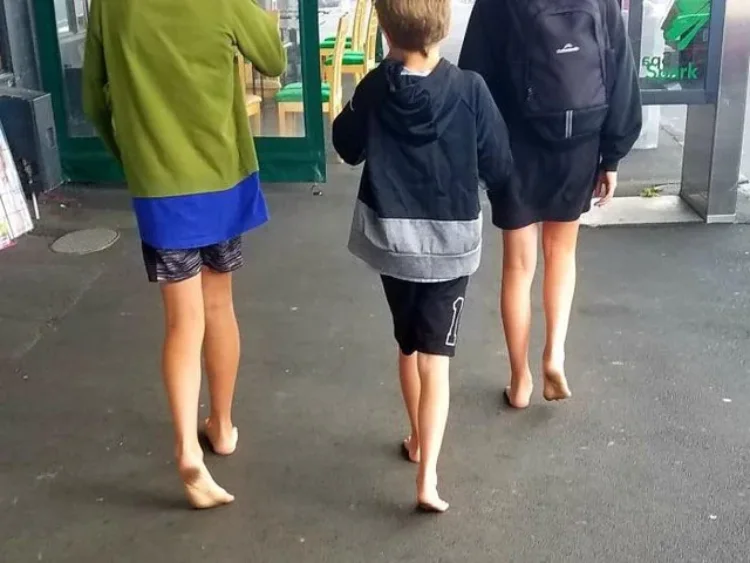
In New Zealand, you’ll often see people shopping, attending school, or walking around town without shoes. Going barefoot is simply part of the culture, especially in summer. While some stores now encourage footwear for safety reasons, most Kiwis see bare feet as normal and nothing to fuss about.
4 In Bulgaria, obituaries are posted on walls near the deceased’s favorite places or in busy areas where passersby easily see them.
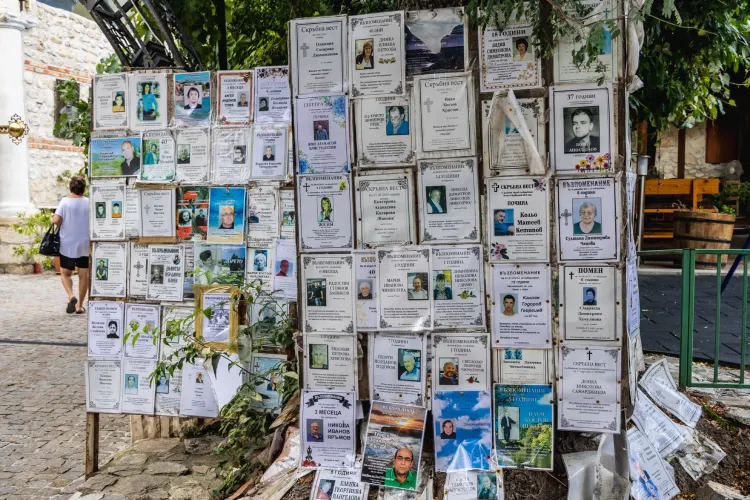
In Bulgaria, families honor the dead with necrology—printed obituary notices posted on trees, walls, and buildings. These memorials often appear near the person’s home or favorite places and are replaced at intervals such as 40 days, six months, and one year after death. The tradition makes grief and remembrance a visible part of public space.
5 In Japan, it’s common to see young children traveling to school on trains by themselves, without a parent or guardian.
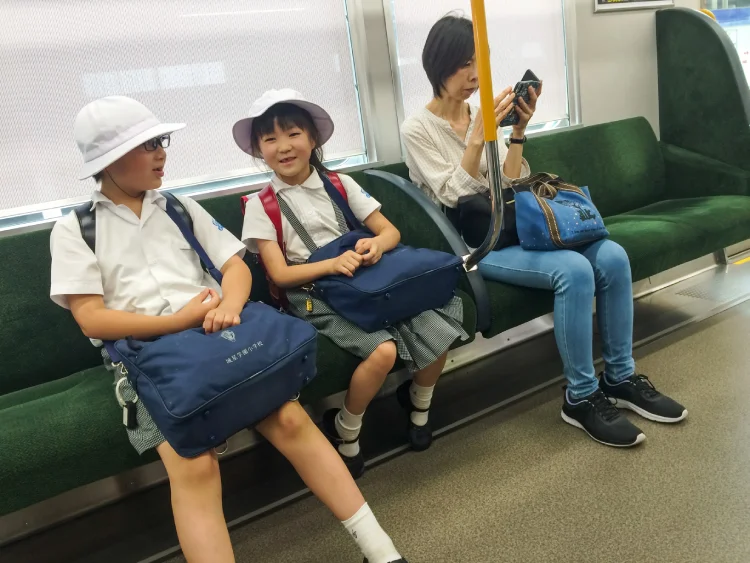
It’s common in Japan for children as young as six to ride trains or buses alone. The practice is supported by safe neighborhoods, reliable public transport, and a culture that encourages independence from an early age. For visitors, it’s surprising to see groups of schoolchildren navigating busy city stations without adult supervision.
6 In Ontario and Quebec, milk is sold in plastic bags, used with special pitchers.
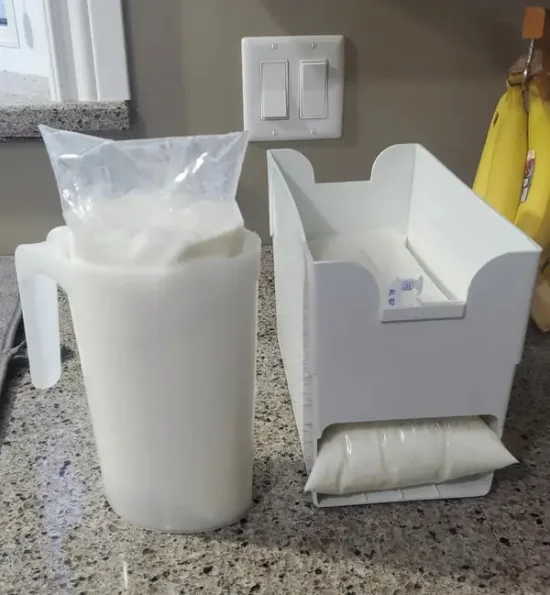
In Ontario and parts of Quebec, milk is often sold in plastic bags instead of cartons. The bag is placed in a reusable pitcher, and a corner is snipped to pour. The packaging became common in the 1970s during Canada’s shift to the metric system because bags were cheaper and easier to adapt than glass bottles or cartons.
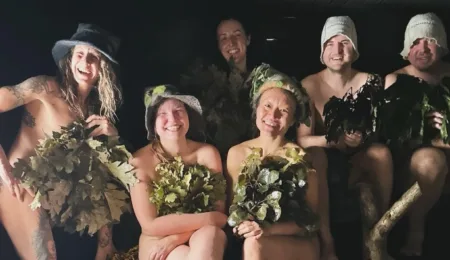
7 In Finland, it’s entirely normal for coworkers to relax together in saunas — completely naked.
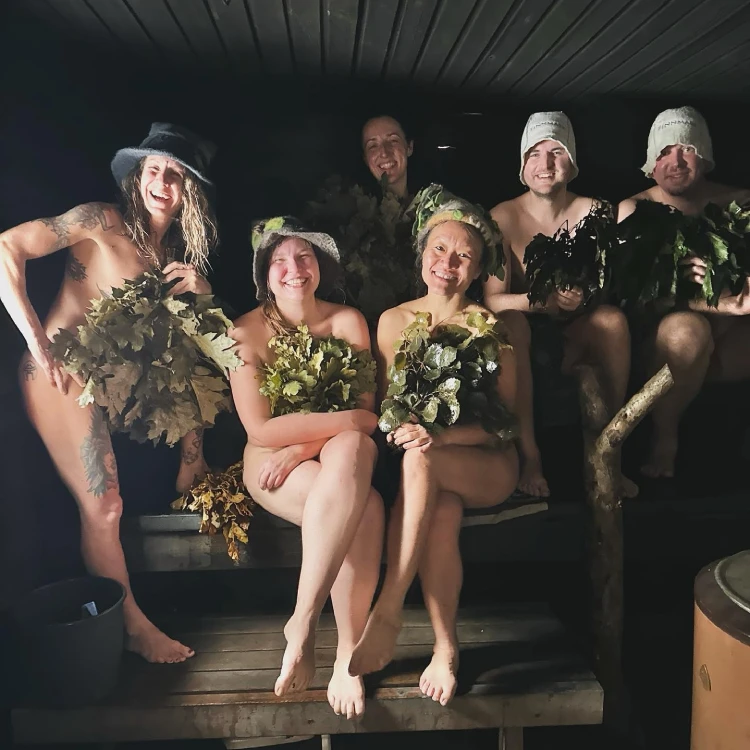
In Finland, sauna isn’t just for relaxation—it’s a social and even professional space. Many workplaces have saunas where colleagues unwind together, often without clothes. Far from awkward, it’s considered a normal way to build trust and flatten hierarchy. Sauna culture is so central to Finnish identity that UNESCO listed it as part of the country’s intangible heritage.
8 In Norway, babies nap outside in prams year-round, even in the snow.
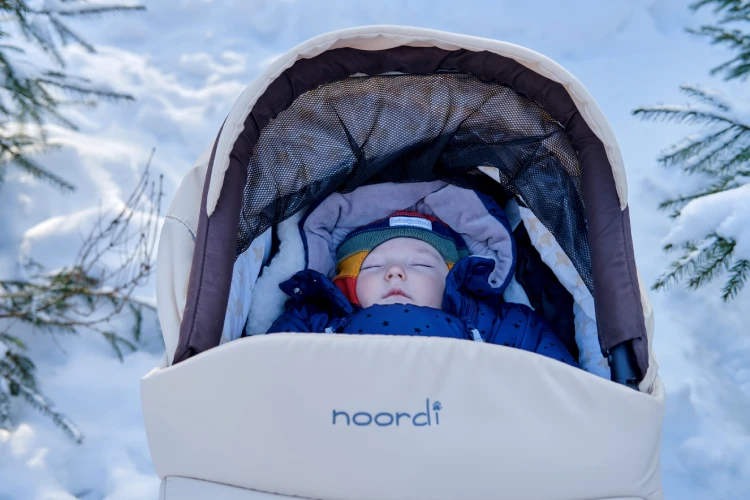
Across Norway, parents routinely let babies nap outside in prams, even during freezing winters. Dressed warmly and tucked under blankets, the infants sleep in fresh air while parents keep an eye from indoors or nearby. Nordic parents believe outdoor naps help babies sleep better and stay healthy, and research supports the idea that outdoor naps improve rest quality.
9 In Ecuador, brightly lit caterpillar-style rides often weave through city streets at night, sharing the road with regular traffic.
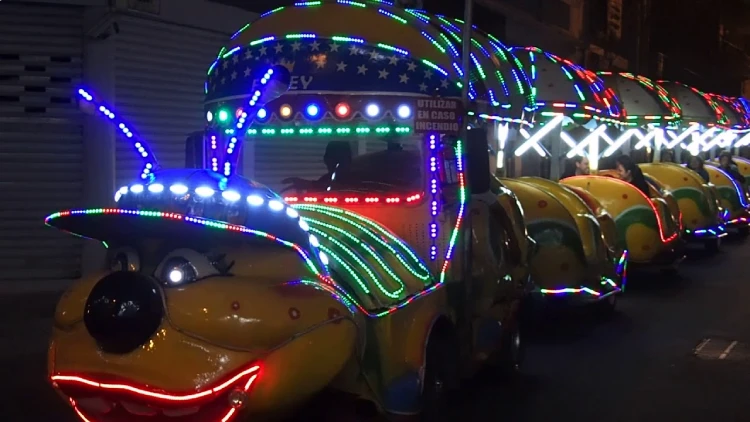
In Ecuadorian cities, brightly lit “caterpillar trains†weave through evening traffic. Known locally as gusanitos, these open-air rides are popular at festivals and neighborhood celebrations. Families and children pile into the cars to enjoy music and lights while moving slowly through the streets. Though they might look like amusement park rides to outsiders, they are part of everyday urban fun.
10 In India, stovetop pressure cookers are a staple tool, relied on for everyday cooking in most households.
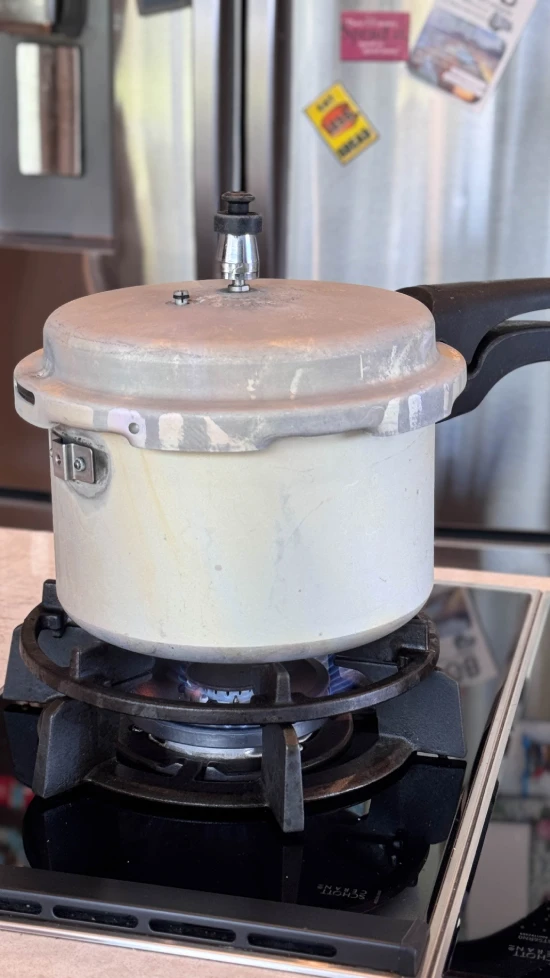
Nearly every Indian kitchen features a stovetop pressure cooker, used daily for quick and efficient meals. Used daily for cooking rice, lentils, and curries, it saves time and fuel. These cookers are so ingrained in daily life that families often measure cooking times by the number of “whistles†the valve makes as steam escapes. The sound is instantly recognizable in Indian households.