Thai Bakery Makes Croissants Covered in Edible “Hair”

Croissants are usually associated with butter, flaky pastry, and French baking traditions. But a bakery in Pattaya, Thailand, has given the familiar pastry an unusual makeover. Saiwan Bakehous recently attracted attention for croissants covered in thin black strands that make them look surprisingly similar to human hair. The odd appearance quickly spread on social media, where reactions ranged from amusement to criticism for the hair croissants.
While some people praised the bakery for its creativity, others questioned whether the design was appropriate for a pastry associated with French cuisine.
The croissants are topped with edible black algae called “fat choy.”
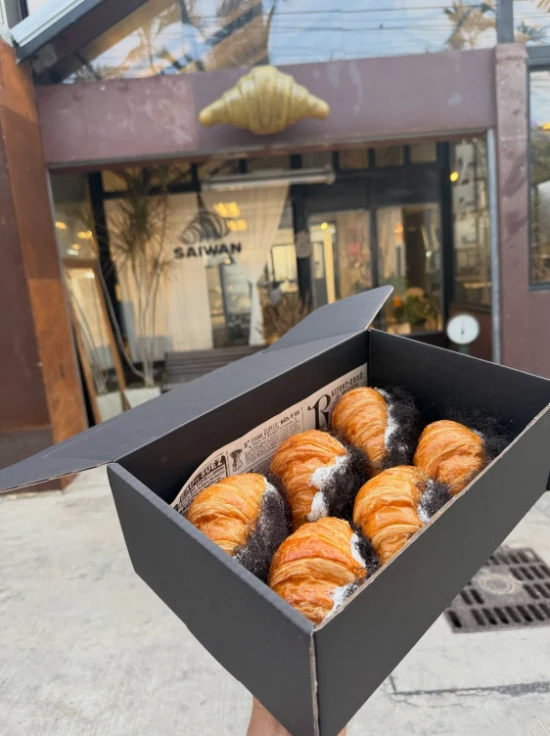
Despite their appearance, the strands on the croissants are not hair. The bakery uses fat choy, a traditional food ingredient also known as Nostoc flagelliforme. It is a type of terrestrial cyanobacterium that is used as a vegetable in Chinese cuisine. When dried, it naturally forms thin, dark strands that resemble hair, which explains its distinctive appearance on the pastry.
Fat choy is also known as “hair vegetable†because of its appearance. It has traditionally been used in Chinese dishes, particularly festive foods. The ingredient’s Cantonese name is also associated with the phrase “gong hei fat choy,†a traditional New Year greeting connected with prosperity.
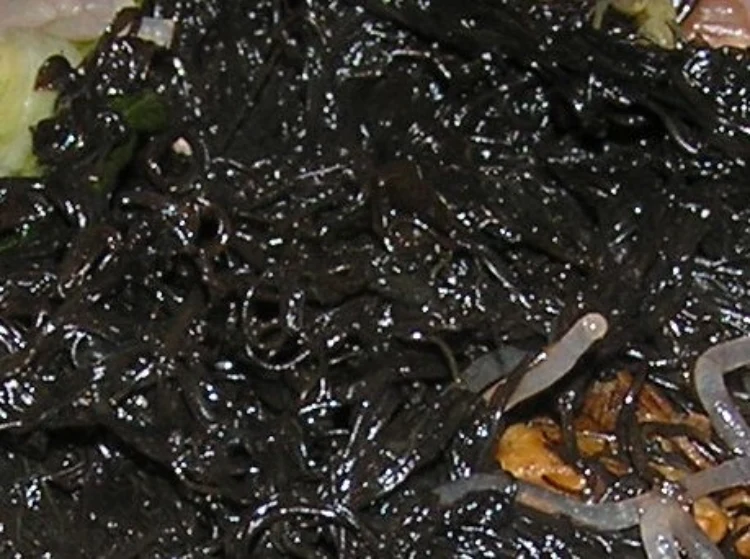
For the Pattaya bakery, however, the ingredient serves a very different purpose. Its dark, string-like appearance helps create the deliberately strange look of the croissant.
Arthit Chomsawat, the proprietor of Saiwan Bakehous, told the Bangkok Post that the croissant was inspired by another novelty creation from the bakery: a “hairy cake.â€
The cake had already proved popular with customers, prompting the bakery to adapt the same visual idea for a croissant. The result was a pastry that looked far removed from the traditional appearance of a croissant and was designed primarily to catch attention.
Saiwan Bakehous is a Pattaya bakery known for its croissants and other pastries. Local food listings show that the bakery has offered several varieties of croissants, including plain, almond, and fresh-milk-cream versions.
The unusual design has divided opinions on social media.
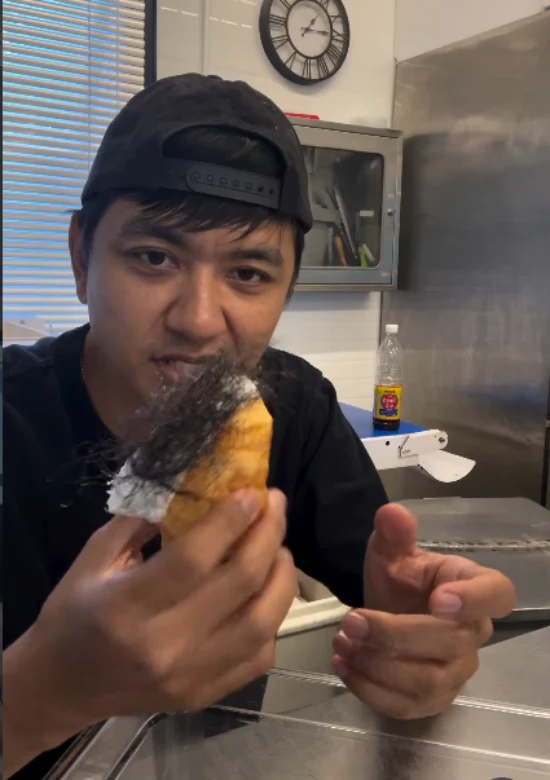
The unusual pastry became a talking point on Thai social media, with people reacting very differently to its appearance.
Some critics argued that the design was in poor taste because the strands resemble pubic hair. Others questioned whether such a presentation was respectful toward France and its food culture, given the croissant’s strong association with French cuisine.
Not everyone saw the design negatively. Other social media users treated it as a joke and praised the bakery for coming up with an unusual idea. The contrast between the familiar golden pastry and its hair-like topping made the croissant particularly suited to social media, where visually unusual foods can attract attention quickly.
The croissant’s unusual appearance did not remain a local curiosity. For Saiwan Bakehous, the hairy croissant demonstrates how an unconventional food idea can grab attention far beyond its original audience. Whether people find it funny, creative, or simply unappetizing, the pastry has certainly succeeded in making an ordinary croissant much harder to ignore.