How the World’s Shortest Married Couple Designed a Home That Fits Their Height

For most people, homes are built to standard measurements. But for Brazilian couple Paulo Gabriel da Silva Barros and Katyucia Lie Hoshino, standard-sized homes created daily challenges. Instead of adapting to spaces designed for average-height people, the world’s shortest couple built their house to fit their own needs.
Paulo Gabriel da Silva Barros and Katyucia Lie are the world’s shortest married couple.
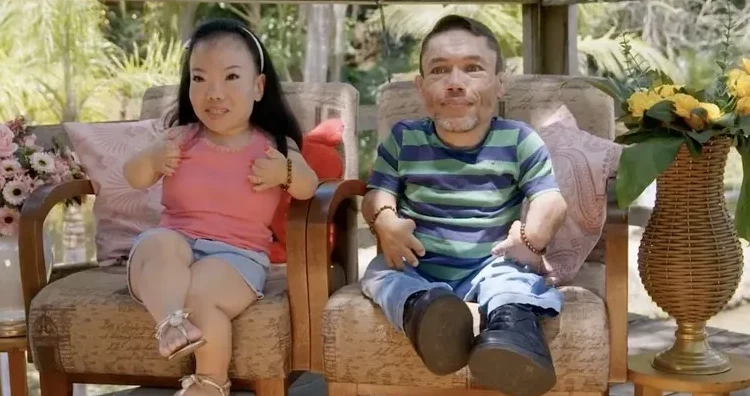
Paulo Gabriel da Silva Barros and Katyucia Lie Hoshino hold the Guinness World Record for the world’s shortest married couple. Their combined height is 181.41 cm (71.42 inches), a record officially verified in Itapeva, São Paulo, Brazil, on November 3, 2016. Paulo measures 90.28 cm (35.54 inches), while Katyucia measures 91.13 cm (35.88 inches). The couple married on September 17, 2016.
Both have forms of dwarfism. Paulo has diastrophic dysplasia, while Katyucia has achondroplasia. These conditions affect bone growth and stature but do not define the couple’s active lifestyle.
Their relationship began online years before their marriage. Katyucia initially ignored and even blocked Paulo’s messages before eventually reconnecting with him. After spending about eight years together, they married in 2016 and received official recognition from Guinness World Records shortly afterward.
They built a home where they could move around safely and independently.
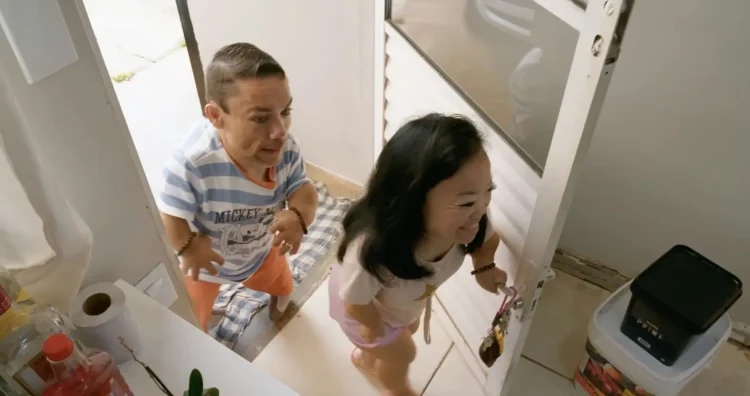
Like many people with dwarfism, Paulo and Katyucia found that everyday household features were difficult to use. Door handles, kitchen counters, light switches, and cabinets were designed for people much taller than they are.
Rather than continuing to struggle, they renovated nearly every part of their home in Itapeva, Brazil. Their goal was to create a space where they could move around safely and independently.
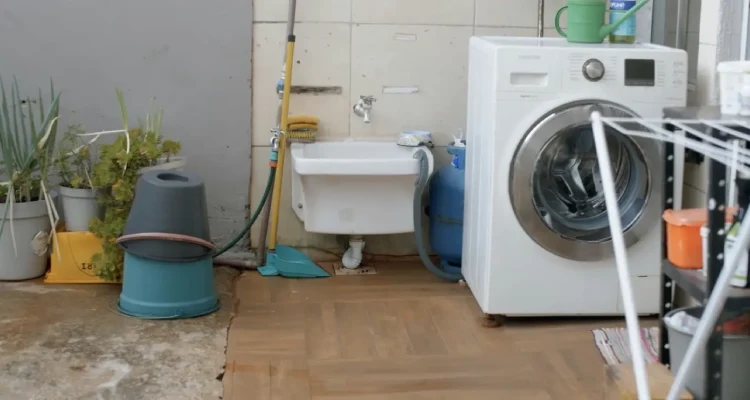
Throughout the house, door handles and light switches were installed at lower heights so they can be reached comfortably. Storage areas were redesigned to eliminate unnecessary stretching, and furniture was customized to match their height. The laundry area also includes a lowered utility sink, making it easier to complete household chores.
These changes may seem small individually, but together they significantly improve daily life and reduce dependence on others.
The kitchen received the biggest makeover.
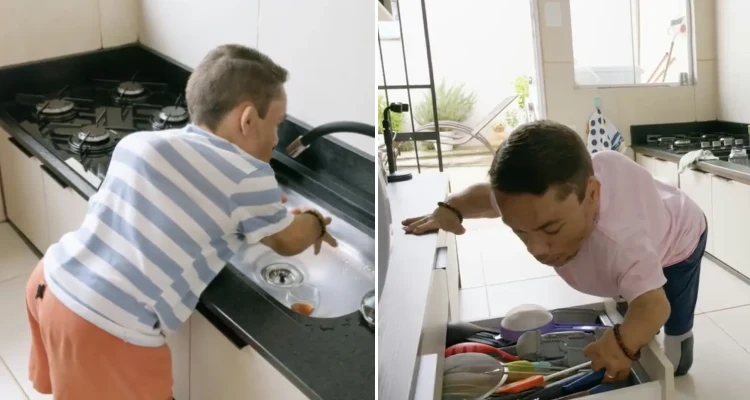
The kitchen underwent the most extensive renovation because it was one of the hardest rooms for the couple to use.
Traditional upper cabinets were replaced with open shelving and pull-out drawers, providing easy access to cookware and ingredients. Countertops were lowered, making food preparation more comfortable. A custom-made shallow sink lets Paulo wash dishes without struggling to reach inside, while a lowered stovetop allows both of them to cook while clearly seeing into pots and pans.
Portable plastic step stools are still available for the occasional high shelf, but most everyday items are now within easy reach.
More than convenience, the home offers independence.

For Katyucia, the renovations represent much more than practical improvements.
She described their house as her “safe haven,” explaining that outside the home, they constantly have to adjust to a world designed for average-height people. Inside their own home, however, the situation is reversed.
As she explained on the show, when they leave home, they have to adapt to fit into the world. Inside their house—especially in the kitchen and bathroom—it is visitors who have to adapt to their environment instead.
The couple says these thoughtful changes allow them to complete everyday tasks independently, giving them greater comfort and confidence in their daily lives.
The couple’s renovated home is featured on TLC’s documentary series Most Extreme Humans, which profiles people living with rare physical conditions and explores how they navigate everyday life. Paulo and Katyucia’s episode focuses on the practical solutions they developed to make their home fully functional for their needs rather than relying on constant assistance.