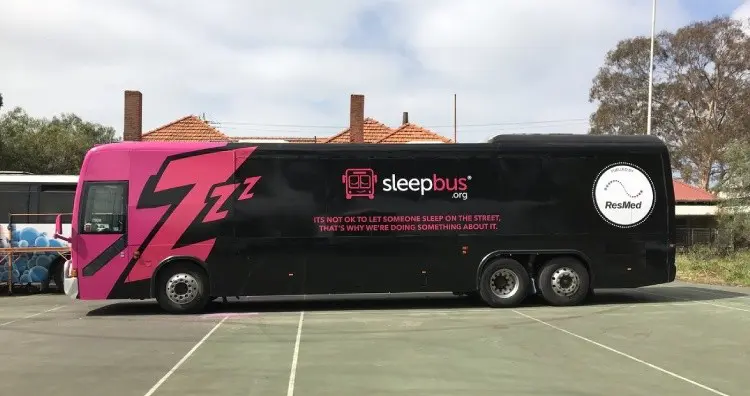
6 Simon Rowe, an Australian man, created a bus for homeless people and their pets to sleep in at night. The vehicle, called “Sleepbus,” is equipped with sleeping pods, USB charging stations, a bathroom, and more for its occupants.
Inspired by a chance encounter with a homeless man, an Australian named Simon Rowe developed a form of temporary shelter called the “Sleepbus.” This bus is a mobile shelter that allows homeless people, their families, and pets to sleep in during the night.
According to Rowe’s designs, these buses have around 18 to 22 sleep pods, each with its own locker, and a small toilet. Once aboard, people can also charge their electronic devices using USB charging points.
To keep things neat, the Sleepbus is serviced by a team of volunteers who clean the bedding after the guests leave. It also has security cameras, a volunteer caretaker, and walkie-talkies to ensure the safety of everyone on board. In some buses, such as the one in Maroochydore, Queensland, the sleep pods are air-conditioned.
Having seen the success of Sleepbus, Rowe has now ordered a pink bus for women seeking shelter. (1, 2)
Advertisements
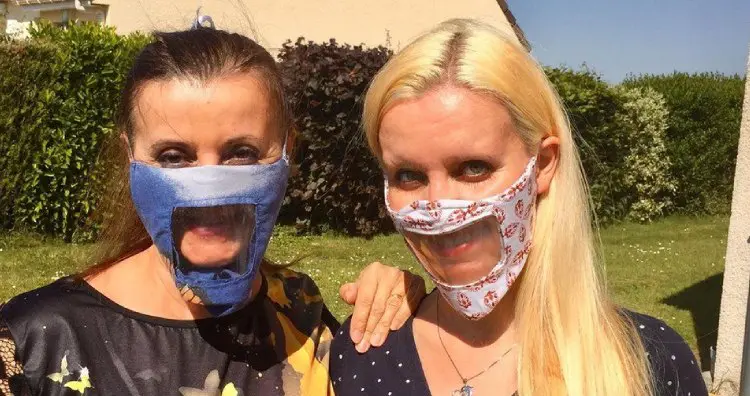
7 In Indonesia, a couple has been selling see-through masks that allow deaf people to lip-read. Since many deaf people rely on reading lips and facial expressions to communicate, normal masks make things difficult. But these transparent masks allow them to communicate freely without putting themselves at risk.
In April 2020, an Indonesian deaf couple began making and selling see-through masks for their customers. Since they work as tailors, they were able to make close to two dozen such masks a day.
With the COVID-19 pandemic raging on, face masks have become an essential part of our lives. However, for deaf people, these also pose some difficulties.
Since these masks cover the lower section of the face, deaf people who use lip-reading have been struggling to communicate with others. As a result, they may need to ask others to take off their masks and risk making themselves and others vulnerable to the virus.
Fortunately, much like the Indonesian couple, numerous charitable organizations have also begun advocating the use of transparent masks. But if such masks are unavailable, such organizations recommend that deaf people write down phrases or use text-to-speech apps to communicate. (1, 2)
Advertisements
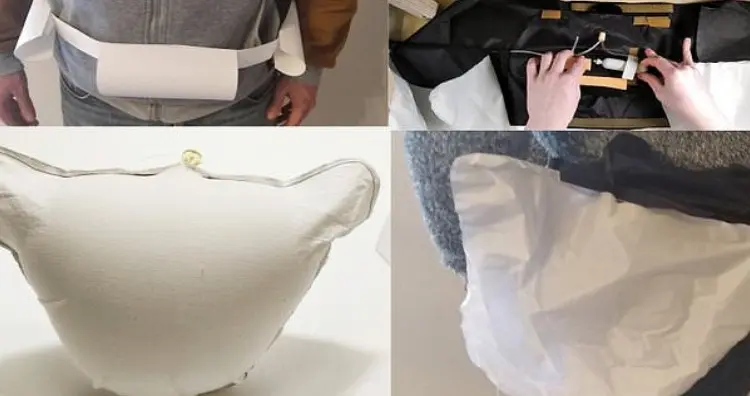
8 Japanese inventors have created a wearable airbag vest that detects when someone is about to fall and inflates itself. It inflates in just 0.1 seconds and protects the head and bottom. The vest is aimed at elderly people who risk severe injury from falls.
Airbags are found mainly in vehicles to protect passengers in the event of an accident. But now, they are being used to support elderly people during a fall.
Designed by a Japanese company, Prop Co., these “airbags for seniors” are aimed at safeguarding the neck and hip regions of the body. In the event of a fall, the bags can inflate and cushion the individual in a fraction of a second.
To make them more adaptable, these airbags are packaged into vests that fasten around a person’s waist. The sensors on the vest can then detect when a person is about to fall and inflate the airbags.
However, priced at 148,000 yen ($1,400), these vests do not provide protection during front-facing falls. Despite this, Prop Co. President, Mitsuya Uchida, has clarified that it can protect people from fractures during such falls.
Unveiled at the 2008 International Home Care and Rehabilitation Exhibition in Tokyo, these bags may actually be what Japan’s elderly population needs. (1, 2)
Advertisements
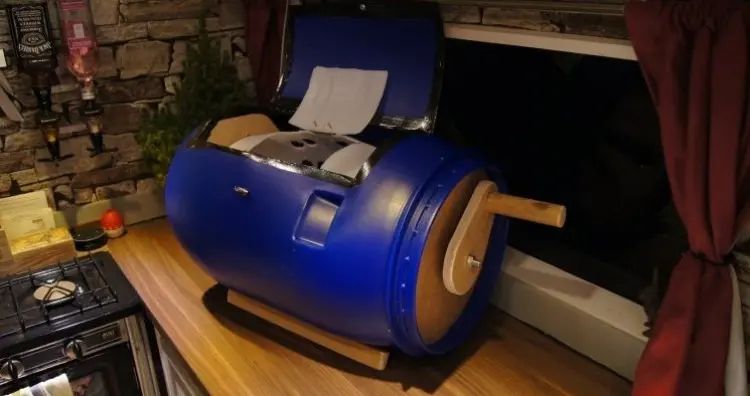
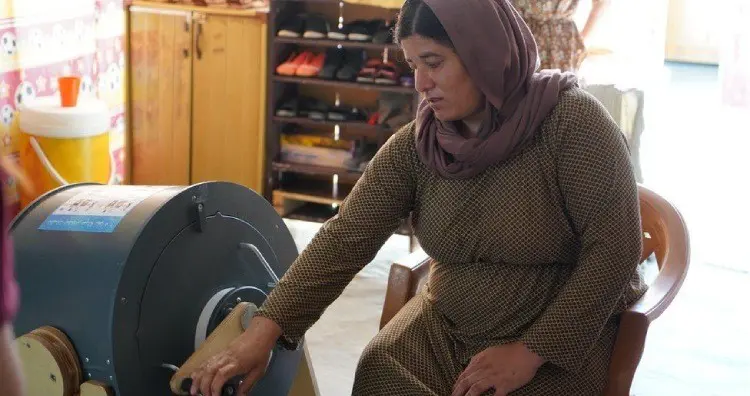
9 A UK-based inventor, Navjot Sawnhey, has created a hand-cranked washing machine that lets people wash their clothes even without access to electricity. The machine takes just 15 minutes to wash clothes and only requires 10 liters of water per cycle. On the other hand, normal washing machines require about 30 liters of water to function.
In 2018, a UK-based inventor named Navjot Sawnhey set up the Washing Machine Project to provide hand-cranked washing machines to people who may not have access to much water or electricity.
These washing machines, called “Divya,” have a capacity of five kilograms (11 pounds) but only need 10 liters of water to function. When compared to an average washing machine, this is a remarkable achievement since washing machines typically require close to 30 liters of water. Like a normal washing machine, the Divya also has a wash phase, a clean phase, and a dry phase, all of which can be completed in just 15 minutes.
Sawnhey has installed 50 of these machines at the refugee camp in northern Iraq and even received orders from numerous other countries. Since then, he has been working on bringing the device to Uganda, Lebanon, India, and Jordan. (1, 2)
Advertisements
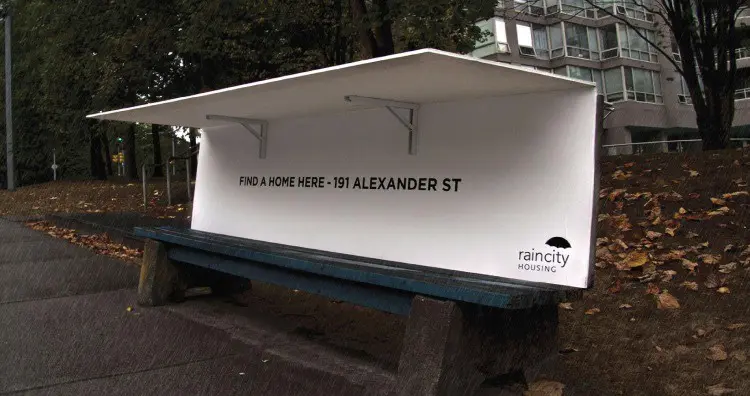
10 A Vancouver non-profit organization called RainCity Housing designed an unusual park bench that works as a temporary shelter for homeless people. Some of these benches also work as awareness campaigns, with them saying “This is a bench” during the day and “This is a bedroom” at night in glow-in-the-dark ink.
With many countries looking for ways to shelter their homeless populations, a Vancouver non-profit organization has caught the interest of the world. This organization, RainCity Housing, has installed two types of public benches to help its homeless people. One of them works as an awareness campaign while the other provides shelter.
The ones used as a shelter have a modified backrest that can be converted into an overhanging cover. When these backrests are unfurled, they also direct people towards the organization’s address where they help people find proper housing.
The second bench is a simple but clever awareness campaign that uses text-based messaging. During the day, these benches can be seen sporting the words “This is a bench.” But at night, glow-in-the-dark ink reveals another message that says, “This is a bedroom.”
Today, many of these benches have been removed. But fortunately, some of them still remain to convey their crucial message. (1, 2)